By Mei Han, massage therapist in Dubai Updated 18 July 2026
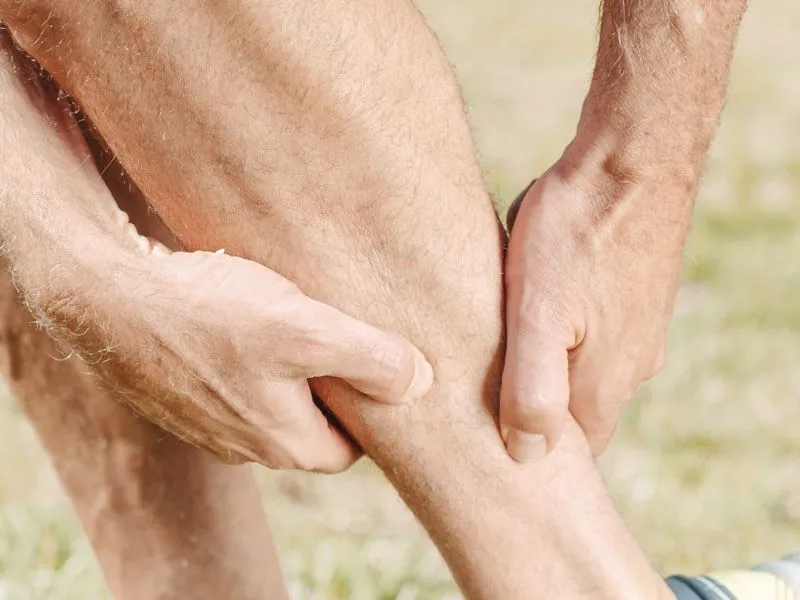
Sports massage is a focused, performance-oriented treatment for active bodies. It blends firm techniques — deep strokes, stretching, friction and trigger-point work — to ease training tightness, improve range of movement and support recovery. Despite the name, you don’t have to be a competitive athlete: it suits anyone who trains, runs, plays padel, cycles or simply pushes their body regularly.
I’m Mei, an independent female massage therapist in Dubai, and sports massage is one of my most-requested treatments in a city full of runners, gym-goers and padel obsessives. Here’s what a session involves, when to book around training or an event, and how it differs from deep tissue.
How a sports massage session works
A sports massage is tailored to what you do and where your body feels it. Rather than a set full-body routine, I focus on the muscle groups your activity loads most — quads, hamstrings, calves and hips for runners; shoulders, back and forearms for padel and racket sports; the whole posterior chain for lifters. I combine firm massage with assisted stretching and targeted work on tight spots.
Movement is a big part of what makes it ‘sports’ massage. I’ll often move a limb through its range as I work, or use stretching techniques to lengthen a tight muscle, which helps restore mobility rather than just easing the ache. The pressure is generally firm, though it’s adjusted to the goal of the session — a gentle flush feels very different from deep maintenance work.
You stay covered under the sheet with proper draping throughout, and the session is strictly professional. Tell me about any recent injuries, tight spots or upcoming events when I arrive, and I’ll build the session around them.
Pre-event, post-event and maintenance: when to book
Timing changes the treatment. A pre-event massage, in the day or two before a race or match, is lighter and more stimulating — the aim is to leave muscles feeling loose and ready, never sore. I keep the pressure moderate and the strokes brisk, and I avoid deep work that could leave you tender on the start line.
A post-event massage, in the day or two after hard effort, is about recovery: easing tightness, reducing that stiff, heavy feeling and helping you move comfortably again. I usually keep it gentler than people expect, because the muscles are already stressed. Then there’s maintenance — regular sessions between events to keep tightness from building up, which is where most of my clients actually sit. If you’ve overdone it and everything aches, a gentle recovery-focused session or even light lymphatic drainage can help you feel human again.
The benefits of sports massage
The clearest benefit is improved range of movement. By releasing tight muscles and working on restricted areas, sports massage can help you move more freely, whether you’re chasing a personal best or just want to stop feeling stiff after leg day. It also helps ease the delayed soreness that follows hard training and keeps small tight spots from turning into nagging problems.
Regular sessions can support your training by helping you recover between efforts and stay consistent. To be honest about the limits: massage is one piece of recovery alongside sleep, hydration and sensible training load — it supports your body rather than working miracles. And if you’re carrying an actual injury with sharp pain, swelling, numbness or a loss of function, see a doctor or physiotherapist first; sports massage complements rehab, it doesn’t replace it.
There’s a mental benefit too. For a lot of committed exercisers, a regular massage is the one point in the week when they actually stop, and that pause helps with the kind of low-grade fatigue that builds across a hard training block. Feeling looser and less stiff also makes it easier to keep training consistently, which is where most real progress comes from.
Getting the most from your session
A little preparation helps. Try not to train hard in the hours right before a deep maintenance session, arrive reasonably hydrated, and be ready to tell me exactly where you feel tight and what you’re training towards — a marathon, a padel tournament, or simply staying consistent in the gym. The more I know about your sport and your niggles, the better I can target the work. If you’re brand new to sports massage, start with a 60-minute session focused on one or two areas rather than trying to cover everything; we can always go longer next time once you know how your body responds.
Afterwards, treat it a little like a training session in its own right. Drink water, move gently, and give a firmer session a day before anything really intense, since deep work can leave muscles briefly tender. A lighter recovery or pre-event massage, by contrast, is designed to leave you feeling ready rather than worked-over, so it sits comfortably closer to competition.
Who sports massage is best for
It suits anyone with an active lifestyle: runners training for a Dubai race, padel and tennis players, cyclists, CrossFitters, footballers and gym regulars. It’s just as useful for weekend warriors and desk workers who train hard in the evenings — you absolutely don’t need to be elite to benefit. Older, active people find it valuable too: staying mobile matters more, not less, as the training years add up, and keeping muscles supple supports that. It suits both women and men, and plenty of my clients book me to come to them in Dubai Sports City or after a session at their building’s gym.
If you’re not especially sporty and mainly carry desk tension rather than training tightness, you may be better off with straightforward deep tissue massage. And if you just want to switch off completely, a relaxing session might suit you more than performance-focused work. Not sure which fits? Message me on WhatsApp with a quick description of your training and your niggles, and I’ll point you the right way.
Sports massage vs deep tissue
There’s a lot of overlap — both use firm pressure and both tackle tight muscle. The difference is focus. Deep tissue is about releasing chronic tension wherever it’s built up, often from posture and stress. Sports massage is organised around physical activity: it targets the muscles your sport loads, includes stretching and movement, and is timed around training or events.
In practice, if your tightness comes from training, choose sports massage; if it comes from a decade at a desk, choose deep tissue. Many clients honestly benefit from both, and I’ll happily blend the two if your body needs it.
Booking sports massage in Dubai
I bring my massage blanket, fresh linens and everything else to your home, or you can come to my studio. A home visit is AED 400 per hour and the studio is AED 300 per hour, with 60, 90 or 120-minute sessions, no deposit, and cash on the day (bank transfer on request). I work daily from 10:00 to 23:00 by appointment, and I can often fit in a same-day recovery session after a hard morning’s training.
For focused pre- or post-event work, tell me your sport, your sore spots and your event date and I’ll tailor the session. You can read more on the sports and recovery page or check the pricing page first. Training hard and feeling it? Send me a WhatsApp message and let’s keep you moving well.
Frequently asked questions
What's the difference between sports massage and deep tissue?
Both use firm pressure, but sports massage is built around physical activity — it targets the muscles your sport loads, includes stretching and movement, and is timed around training or events. Deep tissue focuses on chronic tension wherever it's built up. If your tightness comes from training, choose sports massage.
Do I need to be an athlete to get a sports massage?
Not at all. Sports massage suits anyone who trains, runs, plays padel or works out, including weekend exercisers and desk workers who train in the evenings. You don't need to be competitive to benefit from looser muscles and better movement. Message me on WhatsApp and tell me what you do.
Should I get a sports massage before or after a race?
Both can work, but they're different. A pre-event massage a day or two before is lighter and stimulating, to leave you feeling loose. A post-event massage afterwards is gentler and recovery-focused. Tell me your event date on WhatsApp and I'll tailor the session accordingly.
How much is a sports massage in Dubai?
Sports and recovery massage is AED 400 per hour for a home visit or AED 300 per hour at my studio, in 60, 90 or 120-minute sessions. No deposit, cash on the day (bank transfer on request). I'm available daily 10:00 to 23:00 — message me on WhatsApp to book.
Can you do a sports massage at home in Dubai?
Yes — I bring my massage blanket and everything needed to you, including areas like Dubai Sports City and Dubai Marina, or your building's gym area. Home visits are AED 400 per hour, often same-day. Message me on WhatsApp with your sport and any sore spots and I'll build the session around them.