By Mei Han, massage therapist in Dubai Updated 18 July 2026
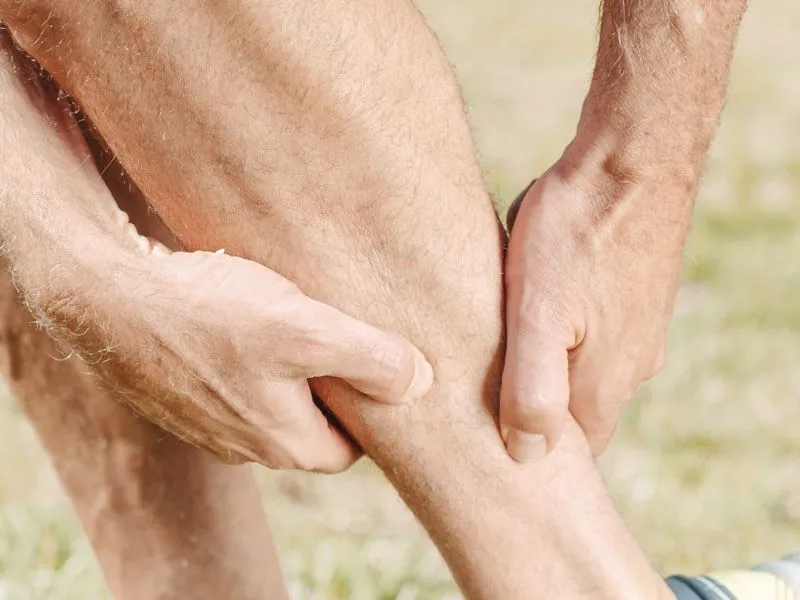
Not straight away. If you’ve just pulled a muscle, don’t massage it for the first day or two — rubbing a fresh strain can irritate the injury and slow healing. Rest it first, and follow simple first-aid: relative rest, ice, gentle compression and elevation. Once the sharp pain and swelling have settled, gentle massage around the area can help ease tension and support recovery. For a significant strain, see a doctor or physiotherapist first.
I’m Mei, an independent female massage therapist in Dubai, and this is one where I’ll always err on the side of caution. A pulled muscle — a strain — happens when muscle fibres are overstretched or torn, and the timing of when you treat it matters enormously. Get it right and massage becomes a genuine help; get it wrong and you can set yourself back. Here’s how to think about it.
Why you shouldn’t massage a fresh strain
In the first day or two after a strain, your body is busy doing exactly what it should: sending blood, fluid and repair signals to the injured area. That’s the swelling, heat and tenderness you feel. Digging into that with massage can disturb the early healing, increase irritation and, in some cases, make things worse rather than better.
So the honest answer to “can I massage it now?” in those first 48 to 72 hours is no. However tempting it is to rub a sore muscle, a fresh strain wants rest, not pressure. This is the one time where doing less genuinely helps more.
What to do in the first few days instead
For the acute stage, stick to gentle, well-known first-aid:
- Relative rest — stop the activity that caused it, but keep moving gently within a comfortable range where you can.
- Ice — a cold pack (wrapped, not directly on skin) for short spells can help with pain and swelling in the early days.
- Compression and elevation — light support and raising the area where practical can ease swelling.
- Avoid heat, deep pressure and stretching hard on the injury early on.
If the strain is significant — you heard or felt a pop, you can’t use the muscle properly, there’s a lot of swelling or bruising — please see a doctor or physiotherapist rather than trying to manage it alone.
When massage becomes helpful
Once the acute stage passes — the sharp pain, heat and swelling have calmed down, which can take anywhere from several days to a couple of weeks depending on how bad the strain was — massage can start to earn its place. At that stage, gentle work around and near the area can help ease the tension that builds up while you’ve been guarding the injury, support circulation and help you feel more comfortable as you return to normal movement.
This is where sports and recovery massage fits in. It’s designed to support muscles after strain and hard training, and I keep the pressure firmly matched to how the area actually feels on the day — never forcing anything. When you book, tell me what happened and roughly when, and I’ll plan the session around it, working conservatively if there’s any doubt.
If you’re not certain whether enough time has passed, message me on WhatsApp and describe the injury and how it feels now. If I think it’s too soon or needs checking first, I’ll tell you honestly.
Signs you should get it checked first
Some situations call for a professional assessment before any hands-on treatment. See a doctor or physiotherapist first if you:
- Heard or felt a “pop” at the moment of injury
- Can’t bear weight, or can’t use the muscle properly
- Have severe pain, major swelling or heavy bruising
- Feel numbness, tingling or weakness
- Aren’t improving at all after a week or so of rest
These can signal a more serious strain or tear that needs proper guidance and rehab. Massage is a support alongside that care, not a substitute for it. If your real question is which professional to see for recovery, my guide on massage or physiotherapy will help you decide where to start.
Being honest about what massage can and can’t do
I won’t tell you a massage will heal a torn muscle, because it won’t — healing is your body’s job, and it runs on time and appropriate care. What massage can do, at the right stage, is help ease the compensating tightness that builds around an injury, support circulation, and keep you moving comfortably while you recover. That’s a real, useful role, and it’s more honest than any promise to “fix” a strain overnight.
A strain and a “knot” aren’t the same thing
It’s worth separating two things people lump together. A pulled muscle is an actual injury — fibres overstretched or torn, usually from a sudden movement, a lift or a sprint — and it needs the careful, wait-first approach above. Everyday “knots” and general tightness are different: that’s ordinary tension from posture, stress or overuse, and it’s perfectly fine to massage whenever you like.
If you’re not sure which you’ve got, the clue is usually how it started. A specific moment of “ow” during activity points to a strain. A gradual, grumbling tightness that built over days or weeks is far more likely to be plain tension — the kind soft-tissue work handles well.
A rough timeline from strain to recovery massage
Every injury is different, so treat this as a general shape rather than medical advice:
- Days 0–3 (acute): rest, protect and ice as needed. No massage on the area.
- The following days (settling): as sharp pain and swelling fade and gentle movement returns, light work around — not directly on — the area can start once it’s calm.
- Once comfortable (recovery): when you’re moving well and the acute signs are gone, a proper recovery massage can support the muscle and ease the tension you’ve built up guarding it.
If at any point it isn’t improving, or it flares up badly, step back and get it assessed.
How I keep a recovery session safe
When you do come in, I work conservatively. I start light, check in constantly, and stay around the injured area rather than digging straight into a muscle that’s still healing. If anything triggers sharp pain, we stop and adjust — no pushing through. And if what you describe when booking sounds too fresh or too serious, I’ll say so and suggest you see a doctor or physiotherapist first. I’d always rather delay a session than set your recovery back.
Booking a recovery massage in Dubai when you’re ready
When the timing is right, I come to you across Dubai — home, hotel or serviced apartment — or you can visit my studio. Home visits are AED 400 per hour and studio sessions AED 300 per hour, in 60, 90 or 120 minutes, with no deposit and cash on the day (bank transfer on request); you can look over my full prices first. Every session is strictly professional, with proper draping, by appointment, and as a female therapist I see both women and men.
Give the injury the rest it needs first. Then, when you’re past the acute stage, send me a message on WhatsApp with what happened and how it feels, and we’ll plan a gentle recovery session at a pace your body is happy with.
Frequently asked questions
Can you massage a pulled muscle straight away?
No — don't massage a fresh strain in the first day or two. Rubbing an acute injury can irritate it and slow healing. Rest it, and follow the usual first-aid: relative rest, ice, gentle compression and elevation. Once the sharp pain and swelling settle, gentle massage around the area can help. For a bad strain, see a doctor or physio first.
When is it safe to massage a pulled muscle?
Usually once the acute stage has passed — the sharp pain, heat and swelling have settled, often after several days to a couple of weeks depending on severity. At that point gentle massage can help ease the surrounding tension and support recovery. If you're unsure how bad it is, get it checked before booking.
Should I see a physio or get a massage for a pulled muscle?
For anything more than a mild tweak, see a physiotherapist or doctor first — they can assess how serious the strain is and guide your rehab. Massage is a helpful support once you're healing, not a replacement for assessment. My guide on massage or physiotherapy explains which to choose.
What kind of massage helps muscle recovery?
Once you're past the acute stage, sports and recovery massage is designed to support muscles after strain or hard training, using techniques suited to recovery. I keep pressure appropriate to how the area feels. Home visits are AED 400/hr in Dubai — tell me what happened and I'll adjust the session.
Can massage help a pulled muscle heal faster?
Massage won't heal a strain on its own, and I'd never promise that. What it can do, at the right stage, is help ease compensating tension, support circulation and keep you moving comfortably while your body recovers. Timing matters — too soon does more harm than good. When in doubt, get it checked.