By Mei Han, massage therapist in Dubai Updated 18 July 2026
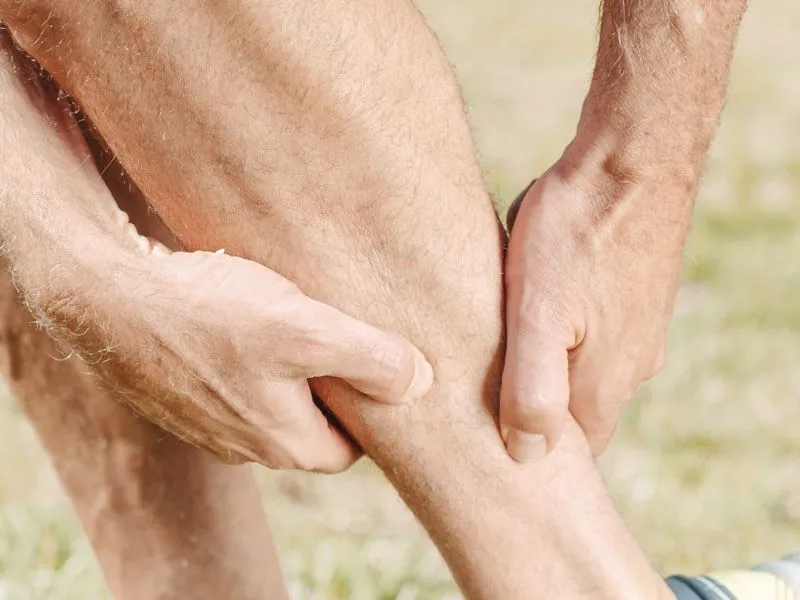
Massage can help a frozen shoulder, but not in the way people hope — and I’d rather tell you the truth up front. It can ease the tight neck, upper back and surrounding muscles that overwork while your shoulder is stiff, and support the gentle movement your physiotherapist encourages. What it can’t do is unfreeze the joint itself. I’m Mei, an independent female massage therapist in Dubai, and for frozen shoulder I always work alongside your medical care, never in place of it.
What frozen shoulder is — and isn’t
Frozen shoulder, or adhesive capsulitis, is when the capsule of tissue around the shoulder joint thickens and tightens, so the joint itself becomes stiff and painful to move. Crucially, the restriction is inside the joint capsule — it isn’t simply tight muscles you can rub loose. That’s the key difference from ordinary shoulder tension, and it’s why a proper diagnosis matters so much.
It often comes on for no obvious reason, though it’s more common after a period of not moving the shoulder, and in people with certain health conditions. The hallmark is losing range of movement in all directions — reaching behind your back, up overhead or out to the side all become difficult. Ordinary muscular tightness doesn’t lock a shoulder down like that.
Because the problem lives in the joint capsule, no massage technique can release it directly. Anyone claiming to unfreeze a frozen shoulder with massage alone isn’t being honest, and I won’t make that promise.
The three stages — and why the stage matters
Frozen shoulder usually moves through three overlapping stages, and it can take many months to run its course. In the freezing stage, pain increases and movement gradually reduces — this phase is often the most painful and the most irritable. In the frozen stage, the pain may settle somewhat but the stiffness stays, so movement remains restricted. In the thawing stage, range of movement slowly comes back.
Knowing your stage changes how I work. During an angry, painful freezing phase, less is more — gentle, calming work on the surrounding area only. As things settle into the frozen and thawing stages, careful work can do a little more to support the movement your physiotherapist is helping you regain. This is exactly why a diagnosis and a professional treatment plan come first: they tell us both where you are and what’s sensible.
How massage supports you
Here’s the honest, useful part. When one shoulder stops moving freely, everything around it compensates — the neck, the upper back, the opposite shoulder and even the arm all work harder and tighten up. That secondary tension is real, tiring and genuinely responsive to massage, even though the frozen joint itself isn’t.
I focus there: releasing the overworked neck and upper back, easing the muscles around the shoulder blade, and calming the guarding that builds when you’re protecting a sore joint. Gentle sports and recovery style work suits this well, staying firmly within your comfortable range and never forcing the restriction. Where the surrounding muscles are particularly knotted, some careful deep tissue attention to those areas — not the joint — can bring relief. Keeping the rest of you loose and comfortable makes the long haul of recovery more bearable.
I also work closely with what your physiotherapist has set, because their prescribed movement is doing the real job on the joint. My role is to keep the supporting cast comfortable so you can keep up with it.
What a gentle session looks like
I bring my massage blanket, fresh linens and oils to you, so you only need a quiet room and your bed. We start by talking through your diagnosis, which stage you’re in, what your doctor or physiotherapist has advised, and which movements hurt. If you haven’t yet been assessed and simply have a stiff, painful shoulder, I’ll ask you to get that checked first — it’s too important to guess.
Positioning is chosen for comfort, and I keep checking in throughout. I stay within your pain-free range at all times and never push into the restriction to try to force movement. Everything is strictly professional, with proper draping the whole time, and I treat both women and men. This is patient, supportive work, not a forceful session.
When to get it properly checked
Because a truly frozen shoulder is a joint problem, getting the right diagnosis is not optional. Please see a doctor or physiotherapist if your shoulder is progressively stiffening and losing range in every direction, if the pain is severe, if it followed an injury or a fall, or if it hasn’t eased after a couple of weeks. Seek prompt advice, too, for numbness, tingling, weakness or pain spreading down the arm, which points to something other than a simple frozen shoulder. Massage supports your recovery and sits alongside physiotherapy — it does not replace the diagnosis and treatment plan that only a clinician can give you.
Living with frozen shoulder day to day
Frozen shoulder is as much an endurance test as anything, because it drags on for months and interferes with the ordinary things — reaching for a seatbelt, fastening a bra, getting a shirt on, sleeping on that side. The disturbed sleep alone wears people down, since the shoulder often aches most at night and there’s no comfortable position to be found.
This is where I find massage earns its keep, even though it can’t touch the frozen joint itself. When you’re compensating for a shoulder that won’t move, the other shoulder, the neck and the upper back quietly take on more of the load, and they get tight and sore in turn. Keeping those muscles eased means you’re not fighting a second layer of tension on top of the original problem, and many people simply feel more human for it.
I’ll also fit the session around how you’re sleeping and which everyday movements are giving you the most trouble. If nights are the hardest part, some calming work on the neck and upper back before bed can help you settle. None of this rushes the joint along, but it makes the long, slow middle of a frozen shoulder considerably more bearable — and if your stage changes between visits, as it often does over the months, just tell me and we’ll adjust what we do accordingly.
Booking supportive massage for frozen shoulder in Dubai
If you’ve been diagnosed and your clinician is happy for you to have massage, I’d be glad to help make the journey more comfortable. I come to your home, hotel or serviced apartment anywhere in Dubai, or you can visit my studio. Home visits are AED 400 per hour and the studio is AED 300 per hour, with 60, 90 or 120-minute sessions at the same hourly rate — no deposit, cash on the day (bank transfer on request). Everything is on my pricing page.
To book, message me on WhatsApp, tell me your area, and let me know your stage and what your physiotherapist has advised so I can plan a session that fits safely around your treatment.
Frozen shoulder is a long, frustrating road, and the disturbed sleep and constant compensating wear you down. Keeping your neck, back and surrounding muscles eased won’t rush the joint, but it does make the months more liveable — and that’s worth a great deal. When you’re ready, send me a WhatsApp message and we’ll plan something gentle and sensible.
Frequently asked questions
Can massage help frozen shoulder in Dubai?
Massage can help ease the tight neck, upper back and surrounding muscles that overwork when a shoulder stiffens, and support gentle movement — but it can't unfreeze the joint itself, which needs a medical diagnosis and treatment plan. I'm Mei, a female therapist across Dubai. Home visits are AED 400 per hour. WhatsApp me to talk it through.
What are the stages of frozen shoulder?
Frozen shoulder typically moves through three stages: freezing (increasing pain and stiffness), frozen (stiffness settles, pain may ease, movement stays limited), and thawing (movement gradually returns). It can take many months. A doctor or physiotherapist should confirm the diagnosis and guide treatment; massage plays a supportive role alongside that.
How much does massage for frozen shoulder cost in Dubai?
AED 400 per hour for a home visit anywhere in Dubai, or AED 300 per hour at my studio, with 60, 90 or 120-minute sessions at the same hourly rate. No deposit, cash on the day. Massage here is supportive care around your medical treatment, not a replacement for it.
Is it safe to massage a frozen shoulder?
Gentle massage of the surrounding muscles is usually safe and comforting once you've been diagnosed, but the joint itself shouldn't be forced. I work within your pain-free range and never push into the restriction. Always follow your doctor's or physiotherapist's guidance first. Message me and we'll plan a session that respects your stage.
Do you do home-visit massage for frozen shoulder in Dubai?
Yes, once you've been diagnosed and cleared. I come to your home, hotel or serviced apartment across Dubai, daily from 10am to 11pm by appointment. Sessions are gentle and led by your comfort. WhatsApp me your area and what your clinician has advised, and I'll help you plan a suitable time.