By Mei Han, massage therapist in Dubai Updated 13 October 2026
Short answer
Both use the same long, flowing strokes at light-to-medium pressure; aromatherapy adds essential oils chosen for your mood, so it leans more calming or uplifting. Pick Swedish for a clean, scent-free relaxation massage and aromatherapy for stress, poor sleep or after a long flight. I offer both at the same price.
- Female therapist
- Home AED 400/hr · studio AED 300/hr
- No deposit
- Same-day often possible
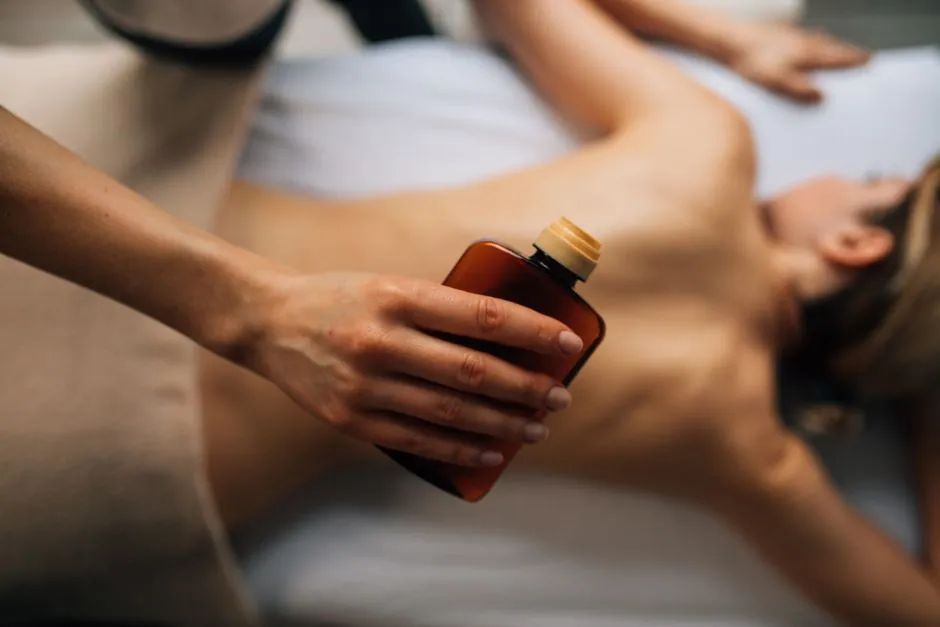
I’m Mei, an independent female massage therapist in Dubai, and I offer both of these at your home, your hotel or my studio. Below is a quick way to choose, then the detail behind it, including who should skip the oils.
Aromatherapy vs Swedish massage: which is better for you?
Choose by what’s bothering you. If it’s your mind, such as stress, a racing head, poor sleep or a long flight, book aromatherapy. If it’s your body and you simply want to loosen off without thinking about scent, book Swedish. If it’s one stubborn knot, you need neither: book deep tissue.
| What you want tonight | Book | Why |
|---|---|---|
| A clean, simple hour of relaxation | Swedish | Same strokes, plain oil, nothing to choose |
| To quieten a racing mind after a hard week | Aromatherapy, calming blend | A scent you like gives your attention somewhere soft to land |
| To sleep better tonight | Aromatherapy, late evening slot | Calming blend, low lights, then straight to bed |
| To feel human after a long-haul flight | Aromatherapy | Calming if you land at night, brighter if you land in the morning |
| Your very first massage | Swedish | Predictable and gentle, with nothing new to process |
| You’re pregnant, scent-sensitive or have reactive skin | Swedish, unscented | No essential oils; pregnancy has its own set-up |
| Dinner or a meeting straight afterwards | Swedish | Essential oils linger on skin and hair for hours |
| A knot, a locked shoulder, a back that won’t let go | Deep tissue | The problem is pressure, not scent |
My honest default when someone can’t decide: evening plus stressed means aromatherapy; daytime, or no strong feelings about scent, means Swedish. And one firm rule: pick the scent you actually like, not the one a label says is “for” your problem. A smell you’re quietly enduring won’t relax anyone.
What’s the actual difference between Swedish and aromatherapy massage?
The technique is almost identical: long, gliding strokes and gentle kneading at light-to-medium pressure. The difference is the oil. Swedish uses plain, unscented oil and works mainly on how your body feels; aromatherapy blends essential oils into that oil, chosen with you, to change how you feel as well.
Swedish massage is the classic form most people picture; the US National Center for Complementary and Integrative Health calls Swedish or classical massage the most common style in Western countries. Aromatherapy massage takes that same style and adds a second channel, which is smell.
| Swedish | Aromatherapy | |
|---|---|---|
| Strokes | Long, flowing, steady rhythm | The same |
| Pressure | Light to medium | Light to medium |
| Oil | Plain, unscented, warm | Essential oils diluted in a carrier oil |
| What it works on | Physical tension, a busy nervous system | The same, plus mood through scent |
| Afterwards | Loose, warm, sleepy | The same, and you’ll smell of the blend |
| Who should skip it | Hardly anyone | Pregnancy, scent triggers, reactive skin |
| Price with me | Same | Same |
What does a Swedish massage feel like?
Slow, warm and predictable. I use warm oil, long strokes from one end of a muscle to the other and gentle kneading, at a pace that doesn’t change. Nothing should feel sharp. Most people feel heavy and warm within ten minutes and loose and sleepy afterwards rather than tender.
An hour gives enough time to cover the whole body: back, shoulders, arms, legs, feet, neck and scalp. The predictability is the point. Once your body knows what’s coming next, it stops bracing, and that’s when your breathing slows without you deciding it should.
It’s the right choice for first-timers, for anyone who dislikes strong pressure, and for people who find perfume or incense heavy going. My Swedish and relaxation massage page explains how I pace a full session.
What does aromatherapy add, and when should you skip the oils?
Aromatherapy adds essential oils, diluted in a carrier oil and chosen with you before we start: calming, lifting or grounding. Skip the essential oils if you’re pregnant, if scent triggers asthma or migraines, if your skin reacts easily, or if someone at home is sensitive. In those cases I use plain oil instead.
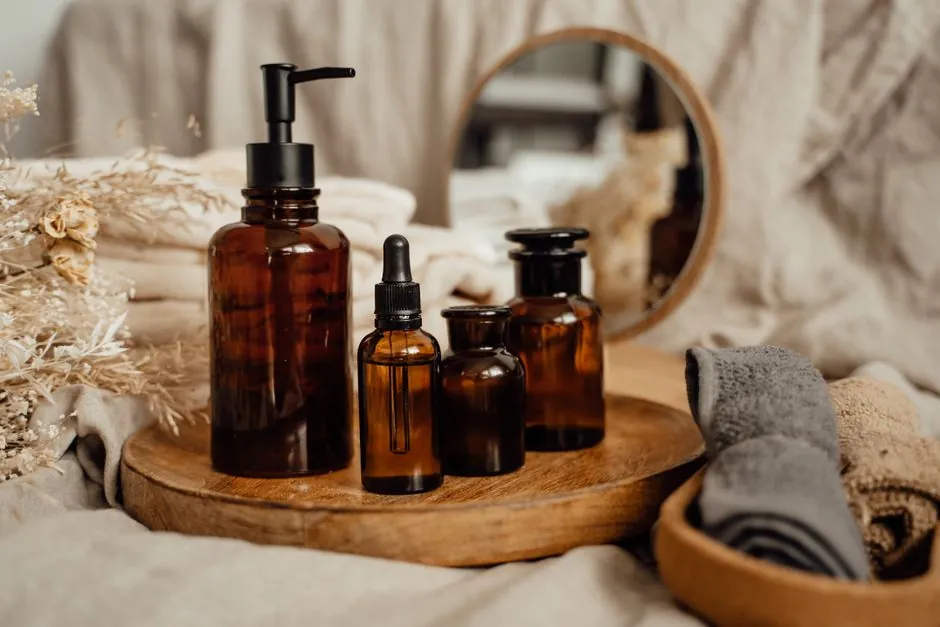
I bring a few blends and you smell each one before your bed is made up. Roughly, the choice runs like this:
- Lavender or chamomile when the goal is to stop your mind racing and sleep.
- Sweet orange or bergamot when you feel flat and need lifting rather than sedating.
- Frankincense when you want something quieter and more grounding.
- Eucalyptus or peppermint for a heavy, foggy head.
Be realistic about what the scent does. The NCCIH’s aromatherapy summary says there’s little rigorous research on aromatherapy for insomnia, and in one study of people under stress, lemon lifted mood while neither lemon nor lavender changed stress markers. I treat the oil as a way into relaxation, not as medicine. My aromatherapy massage page covers the blends in more depth.
When I’d leave the essential oils out:
- Pregnancy. I use plain carrier oil and a side-lying set-up instead; ask your doctor or midwife first. My prenatal and postnatal massage page explains how that works.
- Scent triggers. If fragrance sets off asthma, migraines or nausea, ask your clinician what to avoid, then book Swedish.
- Eczema or reactive skin. I won’t massage inflamed or broken skin, and plain oil isn’t automatically safe either, so tell me what your skin tolerates.
- The room after I leave. Dubai homes are closed, air-conditioned rooms, so scent lingers on linen until morning. Lovely before sleep; less so with a baby in the next room or a partner who hates the smell.
Swedish oil massage vs hot oil massage: what’s the difference?
A Swedish oil massage is simply Swedish massage: the oil is there so the strokes glide, and I warm it so it never lands cold. “Hot oil massage” on Dubai menus usually means noticeably heated oil, and in Ayurvedic or Kerala-style centres it’s a different tradition with its own oils and strokes.
For relaxation, the two are closer than the names suggest. Hot oil suits people who love deep warmth and run cold under the air conditioning. Swedish suits people who care more about rhythm and pressure than temperature.
I don’t offer a separate hot-oil or Ayurvedic treatment. If warmth is what you love, tell me: I’ll keep the oil warm and you can set the air conditioning a little higher before I arrive.
Swedish, aromatherapy or deep tissue: which one do you need?
Ask where the problem lives. If it’s in your head (stress, sleep, low mood), Swedish or aromatherapy is right. If it’s in one muscle, such as a knot under your shoulder blade or a neck that’s been stiff for weeks, book deep tissue. The oils change the mood of a massage, not its pressure.
A quick test: point to it. If you can put a finger on the spot that hurts, that’s deep tissue massage territory, with slower, firmer work on that area. If you can’t point to anything, and you just feel wound up, tired and heavy, a relaxation massage is the better hour.
If you want both, a calm full-body massage with firmer work on your shoulders, say so when you book and we’ll agree how to split the time.
What does each cost in Dubai?
With me, Swedish and aromatherapy cost exactly the same: AED 400 per hour at your home or hotel and AED 300 per hour at my studio, with 90 and 120 minutes at the same hourly rate. There’s no surcharge for the oils, no deposit and no travel fee; you pay cash afterwards, or by bank transfer on request.
For context, ServiceMarket puts a typical 60-minute Swedish, aromatherapy or deep tissue massage in Dubai at around AED 250–300, and Urban Company lists a 60-minute Swedish from AED 149. Those are third-party prices I saw in October 2026, and they can change.
If you already know which way you lean, message me on WhatsApp and tell me what you want from the hour. I’ll suggest one and confirm a time.
If asthma affects your decision, choosing Swedish does not answer every product or room question. My massage with asthma planning guide covers current symptoms, personal triggers and the details to confirm before booking.
How do I book Swedish or aromatherapy at home?
Message me on WhatsApp with what you want from the hour, any scent preferences or sensitivities, your area and a time. I’m available daily from 10:00 to 23:00 by appointment. I bring everything; you need only a quiet room and your own bed.
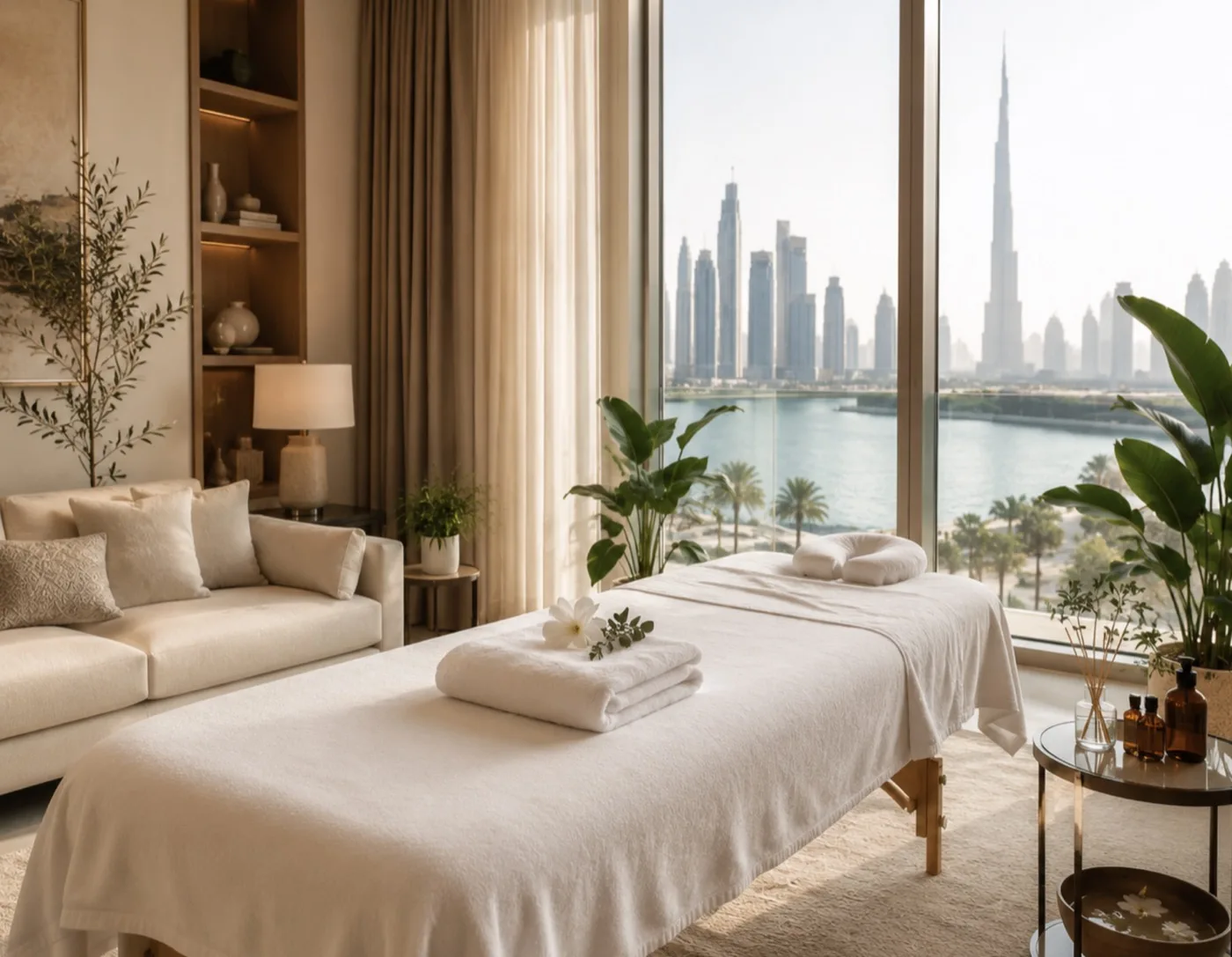
I lay a dedicated massage blanket over your bed and bring fresh linens, towels, a headrest, a bolster and the oils. Sessions are strictly professional, with proper draping throughout, and I welcome both women and men.
Timing matters more than most people think. For aromatherapy aimed at sleep, book the latest slot you can and plan to go to bed soon after; my guide to massage for better sleep explains the evening routine that makes it count. If you’re torn between a morning reset and an evening wind-down, morning or evening massage walks through the trade-off. Staying in a hotel works the same way; hotel massage in Dubai covers what to tell reception.
Book Swedish or aromatherapy on WhatsApp. Tell me how you want to feel by bedtime, and I’ll bring the right oil, or none at all.
Frequently asked questions
Which is better, aromatherapy or Swedish massage?
Neither is better overall; they suit different evenings. Choose aromatherapy when your mind is the problem: stress, racing thoughts, poor sleep or a long flight. Choose Swedish when you simply want your body to relax without scent, or when you're heading out afterwards. With me both cost the same: AED 400 an hour at your home or hotel, AED 300 at my studio.
Is aromatherapy massage more relaxing than Swedish?
Often, yes, but only if you like the scent. The pressure and strokes are the same, so the difference is the oil: a smell you enjoy gives your mind something calm to settle on. A smell you merely tolerate does the opposite. If you're unsure, sniff the blends I bring before we start, or keep it unscented and book Swedish.
Can I have aromatherapy massage if I'm pregnant?
Not in its usual form. During pregnancy I leave essential oils out and use plain carrier oil, with you lying on your side on your own bed, usually from the second trimester once your doctor or midwife agrees. If your pregnancy has been called high-risk, get their advice first. Tell me how far along you are when you message on WhatsApp.
Is aromatherapy massage good for sleep?
It can help you wind down, which is often what stands between you and sleep. Book a late slot, ask for a calming blend such as lavender or chamomile, and go to bed soon after. The US National Center for Complementary and Integrative Health notes there's little rigorous research on aromatherapy for insomnia, so ongoing sleep problems belong with your doctor.
Which is better for sore muscles: Swedish or aromatherapy?
Neither is built for real soreness, because both stay at light-to-medium pressure and the oils don't change that. For general achiness, Swedish is fine. For legs that are heavy after training, book sports and recovery. For one knot or a stiff upper back that has lasted weeks, deep tissue is the better use of your hour.