Service
Sports and recovery massage in Dubai: muscle recovery at home after padel, running or the gym
Short answer
A sports massage is firm, targeted work on the muscles your training loads, timed around your sessions. I do it at your home or hotel across Dubai, often the same evening: AED 400 an hour (AED 300 at my studio), no deposit. With sharp pain, swelling or a fresh injury, see a physio first.
- Female therapist
- Home AED 400/hr · studio AED 300/hr
- No deposit
- Same-day often possible
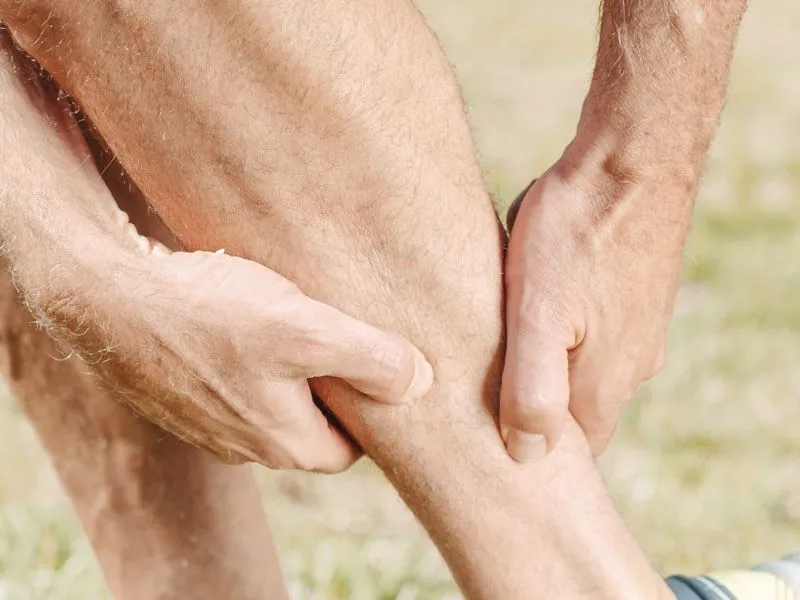
Targeted work for active bodies — runners, padel and gym regulars. Improves mobility, eases overworked muscles and supports recovery so you can keep training and reduce injury risk.
Good for
- Padel & tennis
- Runners’ legs
- Pre / post training
Every session is strictly professional, with proper draping throughout. I welcome both women and men by appointment.
I’m Mei, an independent female massage therapist in Dubai, and this is the work I do for people who train. Below: price, how it differs from a regular massage, whether it’s worth it, timing, areas and how it feels.
How much is a sports massage in Dubai?
With me, a sports massage at your home or hotel is AED 400 an hour: AED 600 for 90 minutes, AED 800 for 120. At my studio it’s AED 300 an hour. No deposit, no travel fee; cash after the session or bank transfer on request. Sixty minutes covers one or two areas; ninety covers a whole training pattern.
| Length | What it covers well | Book it when |
|---|---|---|
| 60 min | One sport’s hot spots: forearm and shoulder for padel, calves and hips for running | A regular slot in a training block |
| 90 min | The whole chain, feet to upper back, with time for stretching | A lighter week, or a few days after a race |
| 120 min | More than recovery needs | Only if you want a slow relaxation hour too |
As a market benchmark, ServiceMarket’s estimates put a typical 60-minute massage in Dubai at AED 250–300 (a third-party figure I saw in October 2026; it can change). A physiotherapy clinic is a different product: you pay for assessment and rehab too, which is exactly what an injury needs.
Sports massage vs a regular massage: what’s different?
A regular relaxation massage works the whole body at an even, soothing pace so you switch off. A sports massage is organised around your training: firmer, targeted on the muscles your sport loads, with more movement and assisted stretching, and timed to your sessions. Deep tissue, by contrast, is organised around your worst knot.
Sports massage borrows from both, but starts with a different question: what did you train, and what’s coming up?
| Swedish relaxation | Deep tissue | Sports & recovery | |
|---|---|---|---|
| Built around | Switching off | One stubborn area | Your training week |
| Pressure | Light to medium, even | Firm, slow, focused | Brisk before events; broad, then firm, after |
| What you do | Lie still | Mostly lie still | Turn, bend a knee, let me take a limb through its range |
Where I work depends on your sport:
- Runners: calves, hamstrings, the outside of the hip, glutes and feet.
- Padel and tennis: forearm and grip, the shoulder, mid-back rotation, and the calves and hips that pay for every lunge.
- Lifters: whatever you loaded, plus the opposite side; a bench-heavy chest often pulls the shoulders forward.
- Cyclists: hip flexors, quads and an upper back held still for hours on the Al Qudra loops.
If one stubborn knot is the whole story, deep tissue massage is the better booking.
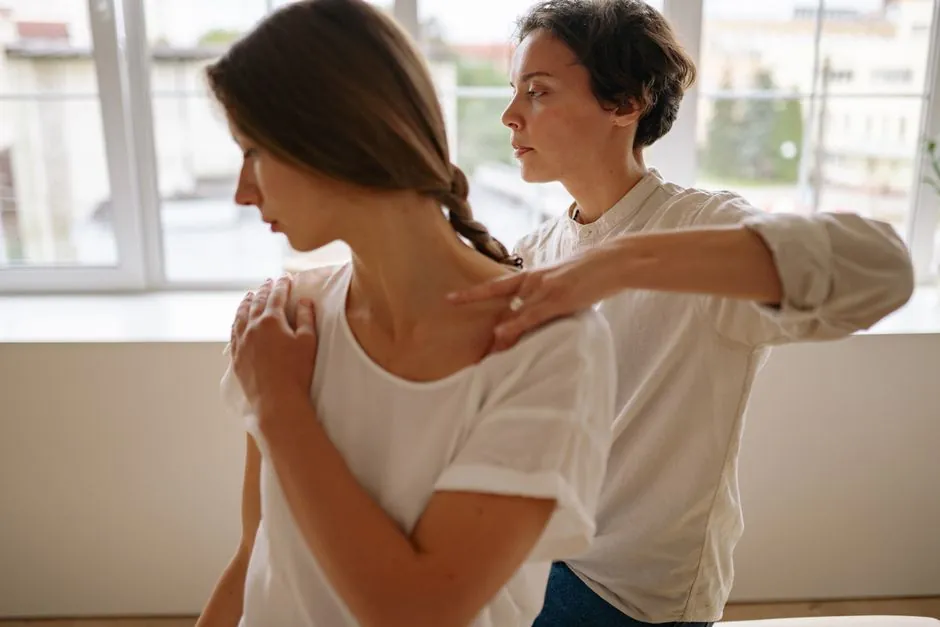
Is a sports massage worth it — and how often?
Yes, if you train three or more times a week or one area keeps tightening under your training. Book every two to four weeks in a heavy block, and monthly for casual padel or a couple of runs a week. It isn’t worth it as a stand-in for sleep, food and rest days, or as treatment for an injury.
It eases the stiff, heavy feeling and helps you move more comfortably on rest days. It doesn’t repair muscle; sleep, food and rest do that.
My honest take: book it for the boring weeks. The natural moment to message a therapist is the day after something twinges in a match, but that’s damage control. The sessions that change your season are booked mid-block, when nothing hurts yet and small things get cleared before they stop you training. Recovery isn’t the reward for a hard week; it’s the reason you can have another one.
Muscle recovery in Dubai: massage, physio, cryo or compression?
Choose physio when something is injured, keeps coming back or needs a diagnosis. Choose massage when a healthy body is simply tight, heavy and overworked from training. Cryotherapy and compression boots are passive options some gyms and recovery studios offer; they do something different from both, and work best as add-ons rather than a plan.
| Option | What it is | Choose it when |
|---|---|---|
| Physiotherapy | Assessment, diagnosis and a rehab plan | Pain is sharp, localised or getting worse, or came with a pop, swelling or numbness |
| Sports massage | Hands-on work on loaded muscles, timed to training | You’re healthy but tight and heavy after training |
| Cryotherapy | Brief exposure to very cold air or water, from cold chambers to ice baths | You enjoy it, alongside the basics |
| Compression boots | Inflatable sleeves that squeeze the legs in timed cycles | As an optional add-on after long runs or rides |
Where I stand: sleep, food and a sensible training load come first, then hands-on help. Stretching is the part you can do daily; my guide to massage vs stretching explains how the two split the work. If something went pop, swelled up or won’t take your weight, the NHS guidance on sprains and strains covers the first few days; see a doctor or physiotherapist before booking any massage.
Before or after training: when to book
After, in almost every case: the evening of a hard session, or a day or two later once the worst soreness has passed. In the 48 hours before a match or race, keep it short and light or skip it, because deep work then can leave a muscle tender right when you need it sharp.
| Where you are | What I’d book |
|---|---|
| Heavy training block | A firmer session every two weeks, on a rest or easy day |
| Lighter week | A longer, thorough session; your body has room to absorb it |
| 48 hours before a race or match | Short and light, or nothing |
| The day after a big event | Gentle and flowing, to ease heavy legs without adding load |
| Sore from one hard session | Light while it’s getting worse, firmer once it eases; delayed-onset muscle soreness typically peaks one to three days after training |
Tell me on WhatsApp what you trained and what’s coming up and I’ll suggest the timing and length.
Sports massage near Dubai Marina, JLT, Dubai Hills and Sports City
I come to homes and hotels in all four, and across more than 30 Dubai areas. That means recovery in your own flat after a Marina Walk run, in a JLT tower after a desk week, at a Dubai Hills villa after a round, or in Sports City after training. Send your building or villa and a time.
- Dubai Marina: towers along the Marina Walk; book the evening of a long run and stay put.
- JLT: send your cluster and tower; desk tension and weekend training fit in one hour.
- Dubai Hills: villas and apartments around the golf course and the park.
- Dubai Sports City: apartments around the stadiums and the Els Club, plus Victory Heights villas.
I work in homes and hotel rooms, not building gyms or offices.
Does a sports massage hurt?
It should feel firm and purposeful, sometimes intense on a tight spot, but never so strong that you brace, hold your breath or pull away. Tell me and I change the pressure at once. Feeling a little worked-over that evening is normal; sharp pain during the session is not the aim.
A muscle just hammered by training doesn’t need punishing on top. I’d rather work at a pressure you can breathe through and return to a stubborn spot twice than force it once. Bruising is never the goal; if you bruise easily, tell me when you book.
What a session looks like at your place
Shower after training, and by the time you’re out your bed is made up with my massage blanket, fresh linens, a headrest and a bolster. We spend a couple of minutes on what you trained and what’s next, then I work, with more movement than a spa hour and proper draping throughout. You don’t move or buy anything.
That’s the argument for doing this at home: recovery works best close to the effort, and nobody wants to drive to a studio at 21:00 after two hours on court. The set-up, with photos, is on what to expect at a home visit.
Expect more back-and-forth than relaxation work: you’ll turn, bend a knee, let me take a leg through its range, and sometimes press gently against my hand so a muscle lengthens as it releases. Legs, hips, back and shoulders are usually where the hour goes.
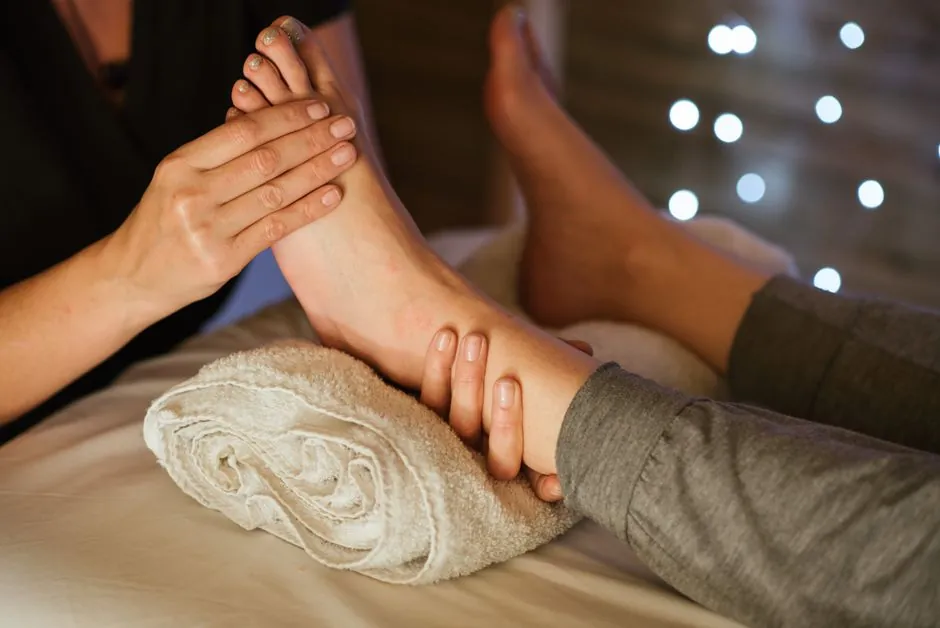
Afterwards: water, food and an easy 24 hours. Don’t book it the night before a competition you care about, and don’t treat it as permission to add another hard session.
Book a sports massage on WhatsApp with what you trained, what’s next, your area and a time that suits.
Frequently asked questions
How much is a sports massage in Dubai?
With me it's AED 400 an hour at your home or hotel, so AED 600 for 90 minutes and AED 800 for 120, or AED 300 an hour at my studio. There's no deposit and no travel fee; you pay cash after the session, or by bank transfer on request. Sixty minutes is enough for one or two problem areas; book 90 to cover your whole training pattern.
What's the difference between a sports massage and a regular massage?
A regular relaxation massage covers the whole body at an even, soothing pace so you switch off. A sports massage is built around your training: firmer, targeted on the muscles your sport loads, with more movement and assisted stretching. Its style also changes with timing, brisk and light before an event, broader and then firmer in the days after.
Is it worth getting a sports massage?
Yes, if you train three or more times a week or one area keeps tightening under your training. It helps you feel less stiff and move more comfortably between sessions. It isn't worth it as a stand-in for sleep, food and rest days, and it isn't treatment for an injury: with sharp pain or swelling, see a physiotherapist first.
Should I get a sports massage before or after training?
After, almost always: the evening of a hard session, or a day or two later once the worst soreness has passed. Avoid deep work in the 48 hours before a match or race, because it can leave muscles tender just when you need them sharp. Pre-event work does exist, but it's short, brisk and light by design.
Does a sports massage hurt?
It should feel firm, and sometimes intense on a tight spot, but never so strong that you brace or hold your breath. Tell me and I adjust straight away. A little tenderness that evening or the next day is normal after firm work and fades within a day or two. Sharp pain during the session isn't the aim, and you should say so if you feel it.
Key facts at a glance
- Therapist
- Mei Han — independent female massage therapist, Dubai
- Price
- AED 400 per hour at your home or hotel · AED 300 per hour at the studio
- Duration
- 60, 90 or 120 minutes, same hourly rate
- Deposit
- None — fixed price agreed on WhatsApp, no travel fee
- Payment
- Cash after the session (bank transfer on request)
- Hours
- Daily 10:00–23:00, by appointment · same-day often possible
- Booking
- WhatsApp only, +971 55 311 5578
- Set-up
- A massage blanket laid over your own bed — no folding table. Studio: a wide bed made for clients
- Coverage
- More than 30 Dubai areas, plus hotels and serviced apartments
- Boundaries
- Strictly professional, proper draping throughout · women and men welcome
Facts and prices last reviewed 11 October 2026.
Self-care between sessions
Simple things you can do yourself. When the ache keeps returning, a focused treatment reaches what stretching can't.
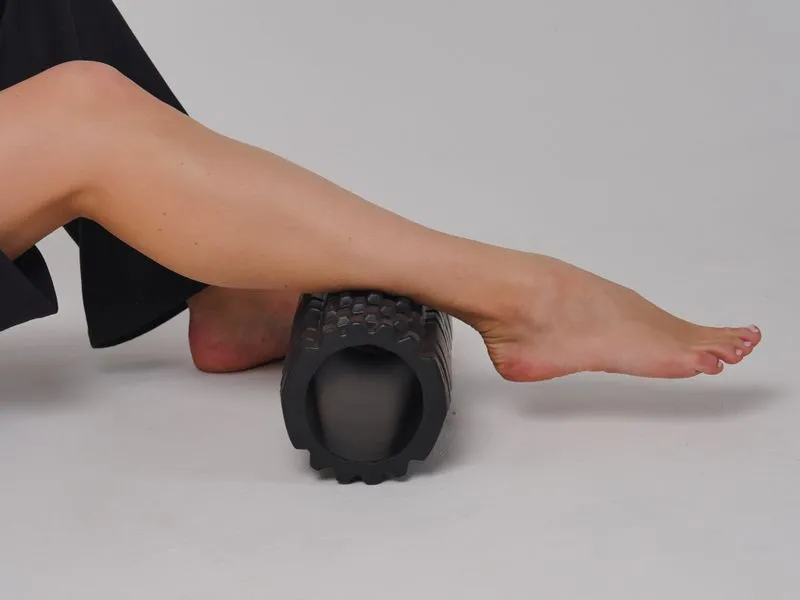
Sports & recovery massage by area in Dubai
See sports & recovery at home in your part of Dubai — local detail, the towers I visit and how to book: