By Mei Han, massage therapist in Dubai Updated 18 July 2026
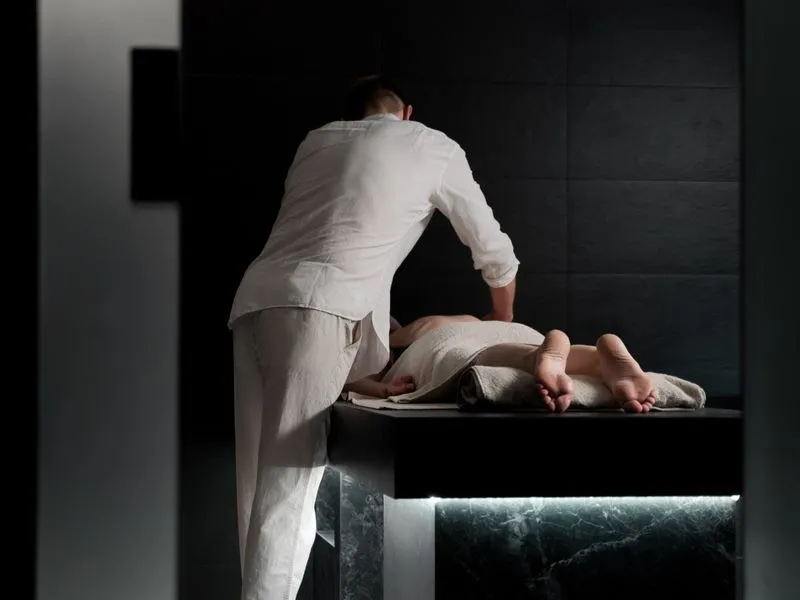
Occasional light bruising after a massage can happen, particularly after firm deep tissue work on stubborn knots, and it usually fades within a few days like any small bruise. It is not the goal, and it is not a sign of a “better” or “deeper” massage. Frequent, painful or unexplained bruising is a different matter — so it’s worth understanding what’s normal, what isn’t, and how good communication keeps it to a minimum.
Why bruising can happen at all
A bruise forms when small blood vessels just under the skin are disturbed and a little blood leaks into the surrounding tissue. During firm massage — especially deep tissue work that presses into tight, congested muscle — that can occasionally happen over a particularly stubborn spot. It’s the same everyday mechanism as knocking your shin on a table; the tissue was simply worked firmly.
This is far more likely with deeper, more targeted techniques than with a gentle Swedish or relaxation session, where the pressure is lighter throughout. So if you’ve had focused work on a knotted shoulder or a tight lower back and notice a faint mark a day later, that’s usually the explanation.
What counts as normal
A “normal” massage bruise is small, mild and short-lived. Typically it:
- Appears over an area that received firm, focused pressure.
- Is faint to moderate rather than large or dramatic.
- Feels mildly tender, similar to the day after a good workout.
- Fades over a few days to a week, changing colour as it heals.
That kind of minor mark, now and then, isn’t a cause for concern. It sits alongside the general, expected tenderness some people feel after deep work — a subject I go into more fully in my guide on whether deep tissue massage is supposed to hurt.
What isn’t normal — and when to see a doctor
Bruising becomes a flag, rather than a footnote, when it’s out of proportion to the work. Please don’t just wait it out if you notice any of the following — speak to your doctor:
- Large, spreading or very painful bruising.
- Bruises that appear after light, gentle work, not just firm pressure.
- Bruising after most or every session.
- Marks that are still there after about two weeks.
- Easy or unexplained bruising elsewhere on your body, not linked to massage.
Massage doesn’t create a tendency to bruise, but it can sometimes reveal one. Bruising very easily can relate to certain medications — blood thinners in particular — or to other health factors, and that’s a conversation for a doctor, not a massage therapist. I’m a therapist, not a medical professional, so if anything about your bruising seems unusual, treat massage as something to pause rather than push through, and get it checked.
Bruising is not a badge of a good massage
There’s a stubborn myth that a massage has to leave you sore or marked to have “worked”. It doesn’t. Effective deep tissue work should feel like firm, purposeful pressure that you can breathe through — not pain, and certainly not something that routinely leaves bruises. If a session consistently marks you, that’s a signal the pressure was too much for your body on the day, not proof of a job well done.
The best results come from pressure matched to your tissue, applied patiently, with warm-up before the deeper work. That approach releases tension far more reliably than simply pressing harder.
Things that make bruising more likely
Beyond pressure, a few factors can make anyone bruise a little more readily on a given day: being dehydrated, certain medications, thinner or more delicate skin, and areas that are already inflamed or overworked. None of these mean you can’t have a massage — they just mean I’ll adjust. Good hydration in the days around a session helps, as does telling me if you know you’re someone who marks easily.
How I avoid it: communicate the pressure
This is where you and I share the job. I always ask about your pressure preference before we start, warm the muscle up before going deeper, and check in as I work. Your part is just as important: if something tips from “firm and productive” into “too much”, say so straight away. A simple “ease off there” or “that’s my limit” lets me back off instantly, and it’s the single most effective way to keep bruising out of the picture.
You never have to grit your teeth to prove anything. I would far rather adjust ten times than leave you marked, and no amount of pressure is worth a session you don’t enjoy.
Caring for a small bruise
If you do get a minor mark, treat it like any small bruise. Keep the area comfortable, avoid pressing or massaging directly on it for a few days, and let it heal on its own. A cool compress in the first day can help if it’s tender. Gentle movement and staying hydrated support the natural fading. And when you book your next session, remind me where it was so I keep well clear of it.
Bruising versus normal soreness
It helps to separate two things people often lump together. Post-massage soreness is a dull, spread-out tenderness in the muscles that were worked — much like the day after exercise — with no visible mark, and it usually eases within a day or two. A bruise is different: a specific, visible spot of discolouration where small vessels under the skin were disturbed. Mild soreness after firmer work is common and expected; a bruise is occasional and shouldn’t be the norm.
Neither should ever be severe. A bit of next-day tenderness is fine and often even satisfying, in a “that muscle finally let go” way. But if soreness is intense, spreading or still there after a couple of days, or a bruise is large or painful, treat that as a signal to ease the pressure next time — and to have anything unusual checked by your doctor rather than push on.
If you’ve had firmer work before and want a session pitched exactly to what your body can take, tell me your history when you book. Message me on WhatsApp and I’ll match the pressure to you, not to a template — deep work should feel productive, never punishing.
Do gentler massages bruise too?
Rarely. A Swedish or relaxation session, or a soothing aromatherapy treatment, uses lighter pressure throughout, so bruising is very uncommon with them. That’s part of why I’ll often suggest starting gentler if you’re new to massage or unsure about pressure — you get the benefits without the risk of marks. If you do notice bruising after consistently gentle work, that’s one of the signs worth mentioning to your doctor rather than shrugging off, since it may say more about how easily you bruise in general than about the massage itself.
Booking deep tissue in Dubai
I’m Mei, an independent female massage therapist working across Dubai, and I take pressure and comfort seriously — the aim is release, not marks. If your muscles need firm, focused work, deep tissue massage is the treatment for it, always tailored to what your body can take on the day. You can see session lengths and rates on my pricing page; home visits are AED 400 per hour and my studio is AED 300 per hour, with no deposit and cash on the day.
If you bruise easily or you’re simply not sure how much pressure you want, that’s exactly the sort of thing to tell me first. Message me on WhatsApp, let me know your area and any concerns, and we’ll plan a session that works with your body rather than against it.
Frequently asked questions
Is it normal to have a bruise after a deep tissue massage?
Occasional light bruising after firm deep tissue work can happen, usually over stubborn knots, and it typically fades within a few days like any small bruise. It's not the aim and not a sign of a better massage. If you bruise a lot or it's painful, that's worth flagging.
How long does bruising after a massage last?
A minor massage bruise usually fades within a few days to a week, changing colour as it heals, much like a small knock. If a bruise is large, very painful, spreading, or still there after two weeks, don't wait it out — see your doctor to have it checked.
Should a massage leave bruises?
No — bruising is never the goal, and it isn't proof a massage 'worked'. A good deep tissue session should feel like firm, productive pressure, not something that routinely leaves marks. If you're bruising after most sessions, the pressure is likely too much and we should ease it.
Why do I bruise so easily after a massage?
Some people bruise more readily — it can relate to skin, age, certain medications like blood thinners, or other health factors. Massage doesn't cause that tendency, but it can reveal it. If you bruise very easily or without clear cause, check with your doctor, and always tell me beforehand so I adjust.
Can I still get a deep tissue massage if I bruise easily?
Often yes, with lighter, more careful pressure and good communication — just tell me before we start. I'll work within your comfort and check in throughout. Home visits are AED 400 per hour; message me on WhatsApp and we'll plan a session that suits your body.