By Mei Han, massage therapist in Dubai Updated 18 July 2026
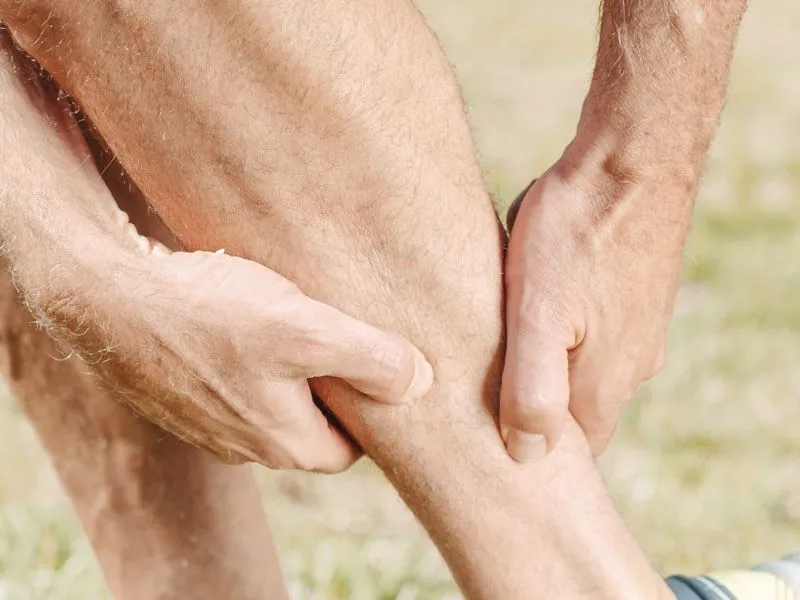
A recovery massage supports your body between training sessions — easing the tightness and soreness that build up when you’re active, helping you move more freely, and getting you to your next workout feeling readier. It won’t do the recovering for you (sleep and food still run that show), but it’s a genuinely useful part of the mix. I’m Mei, an independent female massage therapist in Dubai, and I work with runners, lifters, padel players and weekend athletes across the city.
What recovery actually means
Here’s the part a lot of keen trainers miss: you don’t get fitter or stronger during the workout. You get fitter while you recover from it. The session is the stimulus; the adaptation — muscles repairing, getting stronger, getting more efficient — happens in the hours and days afterwards, while you rest, sleep and eat. Training hard is only half the equation.
When recovery lags behind training, you feel it. Soreness hangs around longer, muscles stay stiff, small niggles appear, your performance plateaus, and even your sleep can suffer. Recovery isn’t the soft, optional bit — it’s where the results are actually made. Massage is one tool among several that help it along, sitting next to sleep, nutrition and sensible rest.
How massage helps active bodies recover
A recovery massage eases the muscular tightness that accumulates when you train regularly, helps stiff areas feel looser, and leaves you moving more comfortably. Just as valuable, an hour on the bed nudges your nervous system out of go-mode and into rest — and that calmer state is exactly where recovery happens best.
I’ll keep it honest: a massage won’t magic away fatigue or replace a proper night’s sleep, and it doesn’t repair muscle for you — your body does that. What it does well is take the edge off soreness, keep chronically tight areas from locking up over a training block, and help you feel ready rather than wrecked. For most active people, that’s more than enough reason to build it in.
Where massage fits in your training week
The best time for recovery work depends on your schedule. Deeper sessions generally sit best on a rest day or a lighter day, when you’re not about to load the same muscles hard again. Around a key session or an event, keep the work lighter — deep, aggressive work right before you compete can leave you feeling flat rather than fresh.
A deload week, when you deliberately ease off training, is a brilliant time for a proper session; your body is already primed to absorb the recovery. If you’re deep in a heavy block, a lighter, more frequent touch-up can keep the worst tightness at bay. I’ll always ask how your week and your training cycle look, and plan the pressure and focus around it.
Sports recovery or deep tissue — which is which
People often ask whether they want a sports massage or deep tissue, so here’s the difference as I use them. My sports and recovery massage is built around active bodies and movement — it’s what I’d lead with for most training-related recovery, tailored to what you do and where you carry the load. Deep tissue work is slower, firmer work aimed at the stubborn, chronically tight knots — a shoulder that never lets go, a lower back that’s been tight for months.
In practice I often blend the two in one session: broader recovery work across the muscles you’ve trained, then focused deep work on the one or two areas that really need it. You don’t have to decide in advance — tell me how you train and how you feel, and I’ll build the session around that.
Recovery is a rhythm, not a rescue
The people who get the most from massage treat it as a regular part of their routine rather than something they reach for only when they’ve seized up. A steady rhythm keeps tight areas in check before they become a problem, whereas the once-a-year emergency session is always playing catch-up. How often is right for you depends on your training load, your age and how your body responds — my guide on how often you should get a massage walks through it.
And one plain caution: ordinary training soreness eases over a few days. Pain that’s sharp, that radiates down a limb, that comes with numbness or pins and needles, or a joint that swells and won’t settle is a different thing — see your doctor or a physiotherapist first. Massage is a complement to good medical care, never a replacement for it.
Recovery for different kinds of training
Different sports leave their mark in different places, and I tailor the work to yours. Runners tend to need the calves, hamstrings, quads, the IT band down the outside of the thigh, and the hips and glutes that take the pounding mile after mile. Lifters usually want the posterior chain, the shoulders and the lower back seen to. Padel and tennis players carry rotational load, so the forearm, shoulder, mid-back and hips ask for attention. If your training is general gym work or high-intensity conditioning, we cover the whole body and pay extra attention to whatever’s flaring up that week. Tell me what you do and I’ll spend the hour where it earns its keep.
The rest of the recovery picture
A massage is a genuinely useful piece, but it’s one piece. The heavy lifting in recovery is done by sleep, by eating enough protein and staying hydrated, by easy movement on your rest days, and by not stacking hard sessions faster than your body can absorb them. If you build in a deload every few weeks, your body gets a chance to catch up and adapt. Think of massage as the thing that keeps tight areas from becoming a problem and helps you feel ready, sitting on top of those basics rather than replacing any of them. Do the simple things well and the massage works even better.
What a first session tells me
The first time I work with you I learn a lot: which areas are chronically tight, how you hold tension, what pressure suits you, and how your body responds over the following day. That’s why a regular rhythm works better than scattered one-offs, since each session builds on the last and I can keep the areas that trouble you in check. There’s nothing to prepare, and if you’re new to sports work we start firm-but-comfortable and adjust from there.
Book a recovery massage in Dubai
If you train regularly and want to recover better between sessions, adding a massage to your routine is one of the simplest upgrades going. A home visit is AED 400 per hour and a studio session is AED 300 per hour, with 60, 90 or 120-minute options at the same hourly rate — no deposit, cash on the day, bank transfer on request. See the pricing page for the full breakdown.
I come to you across Dubai — Marina, JBR, Downtown, Business Bay, JLT, Palm Jumeirah and beyond, plus hotels and serviced apartments — with my massage blanket, towels and oils, daily from 10am to 11pm by appointment. Everything is strictly professional, with proper draping, for both women and men. Message me on WhatsApp, tell me how you train, and I’ll suggest a session and a time.
Frequently asked questions
Does massage help muscle recovery?
Yes, as part of the mix. A recovery massage eases the tightness and soreness that build up when you train, keeps chronically tight areas from locking up, and helps you feel readier for your next session. It won't replace sleep and good food, which do the real recovering, but it's a genuinely useful support for active bodies.
How often should I get a massage for muscle recovery?
It depends on your training load, age and how you respond. Someone in a heavy block might value a session every couple of weeks; someone training lighter might come monthly or when an area flares up. A regular rhythm beats the occasional emergency session. My guide on how often to get a massage helps you decide what suits you.
Is sports massage or deep tissue better for recovery?
For most training-related recovery I'd lead with a sports and recovery focus, tailored to active bodies and movement. Deep tissue is firmer, slower work for stubborn, chronically tight knots. In practice I often blend the two in one session: broader recovery work plus focused deep work where you need it. Tell me how you train and I'll build it around that.
How much is a recovery massage in Dubai?
A home visit is AED 400 per hour and a studio session is AED 300 per hour, with 60, 90 or 120-minute options at the same hourly rate. No deposit, cash on the day, bank transfer on request. Ninety minutes is a good length if you want full-body recovery work. See the pricing page and WhatsApp me to book.
Do you come to homes and hotels across Dubai?
Yes. I'm a home-visit therapist and I bring my massage blanket, fresh towels and oils to you: Dubai Marina, JBR, Downtown, Business Bay, JLT, Palm Jumeirah and across the city, plus hotels and serviced apartments. Everything is strictly professional, with proper draping, for both women and men. Send me your area on WhatsApp and I'll confirm a time.