By Mei Han, massage therapist in Dubai Updated 11 August 2026
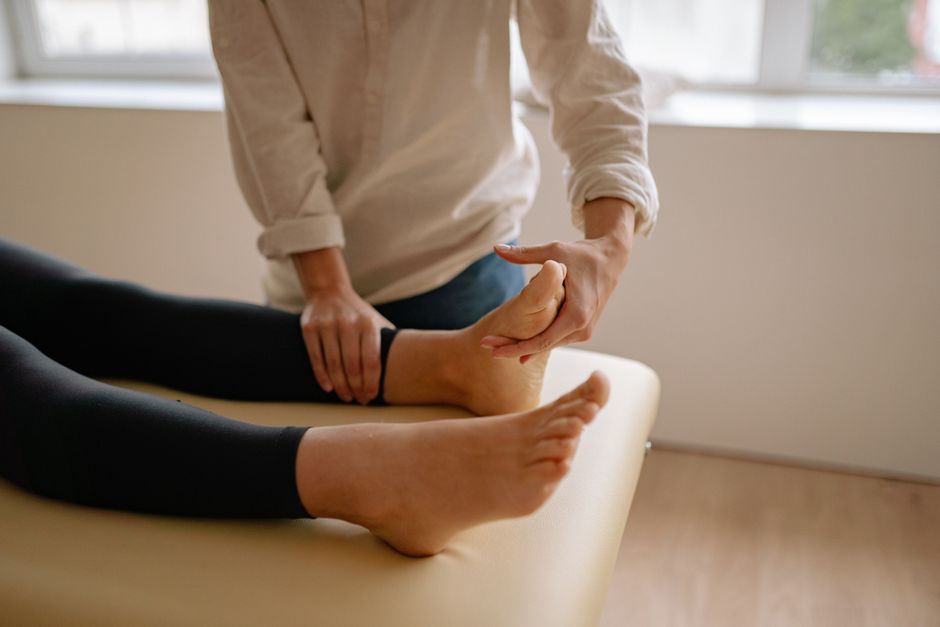
Do I do foot massage? Yes — but not reflexology
Yes, I include thorough foot and lower-leg work, especially for tired feet, people who stand all day, runners and travellers. I do not offer reflexology, which is a separate treatment system; my work focuses on the muscles, connective tissues and movement patterns directly affecting your feet.
A search for “foot massage in Dubai” can mean simple comfort after a long day, or help with tight calves, sore arches, heavy legs or aching heels. I start by asking what you have been feeling, what activities you do, and whether the problem is recent or ongoing.
My approach is hands-on and practical. Depending on what seems relevant, I may work on the soles, toes, heel, ankle area, calves and tissues around the shin. The aim is not to follow a fixed body map or claim that pressing one point treats an unrelated condition.
The foot is often only part of the issue. A stiff ankle, overloaded calf or restricted lower-leg movement can change how the foot takes pressure, so useful foot massage may need to travel higher than the foot itself.
Massage is a broad hands-on practice with many styles and traditions; you can read a general overview of massage and its different approaches. In my sessions, I keep the work clear, strictly professional and centred on your reason for booking.
Why tired or sore feet usually start higher up
Tired or sore feet often involve the calves, Achilles tendon and plantar fascia, not just the skin and muscles under the foot. Repeated load from standing, running, walking or travel can make lower-leg work as important as working directly on the arch or heel.
The calf muscles help control the ankle whenever you walk, climb stairs or push off the ground. If they remain tense after repeated use, the ankle may feel less free and the foot can take pressure differently, leaving the soles tired even when the overload began in the calf.
The Achilles tendon connects the calf muscles to the heel. I do not force or aggressively press it. Instead, I can work around the surrounding calf muscles and nearby soft tissue in a measured way, checking how the area responds. If the tendon is acutely painful, swollen or hot, massage may not be the right first step.
The plantar fascia is a strong band of connective tissue along the sole. It supports the arch and absorbs load during standing and walking. Repeated strain may contribute to heel or arch discomfort, particularly with tight calves, limited ankle movement, changes in training or long periods on hard surfaces.
This does not mean every foot problem is caused by the plantar fascia. Footwear, workload, previous injury, body mechanics and medical conditions can also matter. If your symptoms match the pattern discussed on my page about massage for plantar fasciitis in Dubai, I can explain how massage may support the surrounding muscles, but I will not present it as guaranteed.
For runners, I often consider the full lower-leg chain: calves, ankles, soles and sometimes how the leg has been working during training. If recovery is your main concern, you may also want my sports and recovery massage service. Treatment should reflect your activity rather than use the same pressure and sequence for everyone.
How I work on feet and lower legs in a session
I usually work from the lower leg into the foot, adjusting pressure according to your comfort, sensitivity and reason for booking. A session may include the calves, ankle area, heel, sole, arch and toes, using slow movements or firmer focused work where appropriate.
I begin with a short conversation. I want to know whether you have been standing, walking, running, flying or recovering from a change in activity. Tell me if one side feels different, if mornings are worse, or if certain shoes or movements increase the discomfort.
For general tiredness, I may use flowing strokes through the calves and feet, followed by focused work around tension. For active clients, I may spend more time on the calf muscles and ankle movement. After travel, I may use lighter work if the legs feel heavy or puffy.
Pressure should be purposeful, not a test of endurance. Some areas may feel tender, but sharp pain, burning, electric sensations or worsening symptoms are signals to stop or change direction. You remain in control of the pressure throughout.
Proper draping is part of every session. Only the areas being worked on are uncovered, and the appointment remains strictly professional from start to finish. I see both women and men, and I work by appointment so there is time to discuss your needs beforehand.
If swelling is your main concern, I can explain whether my lymphatic drainage service or information about swollen legs and feet in Dubai is more relevant. Lymphatic drainage does not detox the body or cause weight loss; it is a gentle approach that may support comfort and fluid movement when suitable.
A foot-focused appointment can form part of a wider massage rather than a separate reflexology treatment. To ask about symptoms, timing or pressure, message me on WhatsApp and say whether you want a home visit or studio appointment.
When foot pain needs a doctor, not a massage
Massage may ease muscular tightness and support recovery, but persistent or severe foot pain needs medical assessment. If heel pain continues, keeps returning, or comes with numbness, tingling, weakness or pain travelling up the leg, see your doctor or a physiotherapist before booking massage.
Massage is not a substitute for diagnosis. Ongoing heel pain can have different causes, and numbness may involve nerves rather than tight muscles. Pain radiating from the back or hip into the leg also deserves attention; guidance on warning signs for sciatica from the NHS can help you recognise when medical advice matters.
Please contact a medical professional promptly if the foot or calf is suddenly swollen, red, hot or unusually painful, especially on one side. The same applies after injury if you cannot bear weight, the area looks deformed, or movement is seriously limited.
Tell me about relevant health conditions, recent surgery, pregnancy, medication or diagnosed circulation problems before we begin. For prenatal and postnatal work, I use an appropriate position and conservative pressure, but medical guidance comes first when there are complications or concerns.
For ordinary tiredness after standing, walking, running or flying, massage can support comfort and help identify where tension is coming from. It may relieve muscular tightness, but cannot promise to cure, heal, fix or permanently eliminate a foot condition. Persistent, severe or neurological symptoms require a doctor or physiotherapist.
Booking: areas, prices, what to expect
I offer foot and lower-leg work within a professional massage appointment in Dubai. A home visit is AED 400 per hour, while a studio appointment is AED 300 per hour; the same hourly rate applies to 60, 90 and 120 minutes, with no deposit required.
I mainly take payment in cash. Bank transfer is available on request, and I will confirm the practical details when arranging your appointment. I do not add invented packages, membership prices or last-minute charges.
For home visits, contact me with your Dubai neighbourhood and preferred time so I can confirm whether the location is within my working area. Studio appointments are also by appointment, and I will share available times when you enquire.
You can book one of six services: deep tissue; Swedish and relaxation; sports and recovery; prenatal and postnatal; lymphatic drainage; or aromatherapy. Foot and calf work can be included when suitable, but I do not offer reflexology or present unrelated treatments as available bookings.
Please wear something allowing easy access to the lower legs, and avoid arriving immediately after applying heavy oil or cream if you want me to assess the skin and tissue clearly. Tell me in advance if you are sensitive to fragrance, as aromatherapy is optional.
Before the appointment, I will ask what you want help with and whether any symptoms should change the plan. During the massage, you can request lighter or firmer pressure, more time on the calves, or less work on a sensitive area.
You can see the full massage pricing in Dubai before contacting me. To check availability, location and suitability, message me on WhatsApp. Include your neighbourhood, home visit or studio preference, desired duration and main reason for booking.
Frequently asked questions
Do you offer foot massage near me in Dubai?
I offer appointments across Dubai depending on the neighbourhood and timing. Home visits are AED 400 per hour, and studio appointments are AED 300 per hour. Send me your location and preferred time on WhatsApp, and I will confirm whether I can come to you or suggest a studio appointment.
Is your foot massage the same as reflexology?
No. I do not offer reflexology. My foot work focuses on the feet, ankles, calves and related soft tissues, using practical massage techniques for tiredness, muscular tension and recovery. I do not use reflexology maps or claim that pressing a foot point treats a separate organ or medical condition.
How much is a foot massage in Dubai?
A home visit costs AED 400 per hour, while a studio appointment costs AED 300 per hour. The hourly rate is the same for 60, 90 and 120 minutes. There is no deposit; cash is preferred, and bank transfer is available on request.
Can massage help with ongoing heel pain?
Massage can help ease surrounding muscular tightness and support comfort, but ongoing heel pain should not be ignored. If it is persistent or severe, or comes with numbness, tingling or radiating pain, see your doctor or a physiotherapist before arranging massage.
Do you work with swollen feet after flying?
I can discuss whether a gentle approach may be suitable after travel. If swelling is sudden, one-sided, hot, red or painful, seek medical advice first. Lymphatic drainage does not detox the body or reduce body weight; it may support comfort and fluid movement when appropriate.