By Mei Han, massage therapist in Dubai Updated 18 July 2026
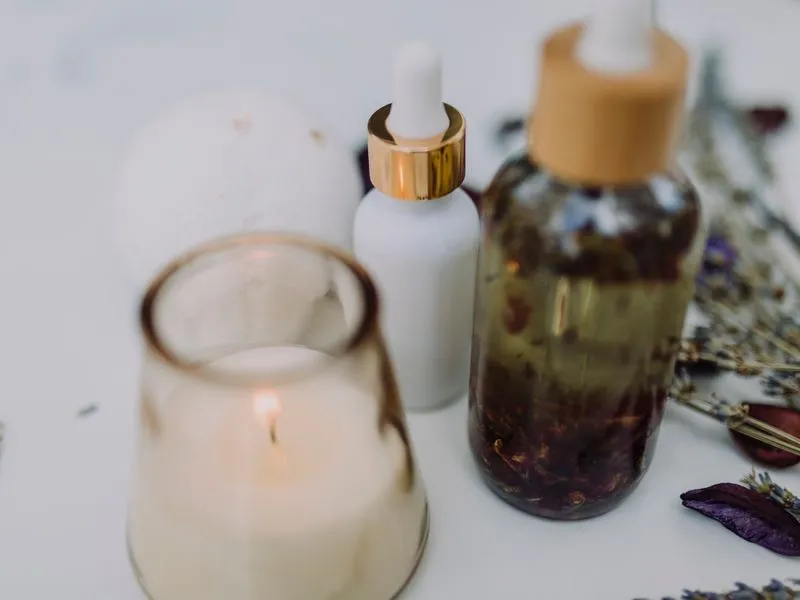
Yes — massage can genuinely help you sleep better. By calming your nervous system, easing physical tension and quieting the wired, restless feeling that keeps you awake, it shifts your body into the “rest” state where sleep comes more easily. A relaxing evening massage often leads to a deeper night, and regular sessions can help build a steadier sleep routine over time.
I’m Mei, an independent female massage therapist in Dubai, and “I just can’t switch off at night” is something I hear constantly — from shift workers, new parents, and people whose minds refuse to clock off after a long day. Here’s how massage helps, which treatments suit sleep best, and how to get the most from it.
How massage helps you sleep
It calms the nervous system
When you’re stressed or overstimulated, your body sits in a keyed-up, alert state — heart rate up, muscles tense, mind whirring. That’s the opposite of what you need to fall asleep. Slow, rhythmic massage helps nudge your body out of that alert mode and into its “rest and digest” state, where breathing slows, muscles soften and everything downshifts. That shift is exactly the runway your body needs before sleep.
Most people feel it during the session itself — that heavy, drowsy, hard-to-keep-your-eyes-open sensation. Riding that feeling towards bedtime, rather than fighting it, is the whole idea.
It relieves the tension keeping you awake
Physical discomfort is an underrated sleep-stealer. A tight neck and shoulders from a day at the desk, an aching lower back, restless legs after training — all of it makes it harder to get comfortable and stay asleep. By easing that muscular tension, massage removes some of the physical fidgeting that keeps you tossing and turning. A body that feels loose and comfortable simply settles more easily.
Which massage is best for sleep?
For sleep, reach for the gentler treatments. My Swedish and relaxation massage is built for exactly this: flowing, calming strokes with no agenda other than helping you unwind. Aromatherapy massage is the other natural choice, pairing that same soothing pace with warm, calming essential oils that make switching off feel effortless.
Deep-tissue work is wonderful for knots and chronic tightness, but late at night it can leave some people feeling a little stimulated rather than sleepy. If sleep is your priority, tell me and I’ll keep the whole session slow and calming. Not sure which suits you? Message me on WhatsApp and I’ll help you choose.
Getting the most sleep benefit from a massage
A few simple things make the effect last longer. Book later in the day if you can, so you can head towards bed while you’re still relaxed rather than shaking it off for a meeting. Keep the lights low and screens away afterwards, have a warm shower, and let yourself drift. Since I work daily until 11pm and come to your home, a proper wind-down session right before bed is easy to set up.
Regularity helps too. One massage is lovely for a single good night; a steady rhythm helps build a calmer baseline over weeks. If you’d like to work out a sensible pattern, my guide on how often you should get a massage is a good place to start, and better sleep often goes hand in hand with lower stress — something I cover in my piece on massage and anxiety.
One honest note: massage is a supportive habit, not a cure. If you have persistent insomnia or it’s affecting your daily life, please see your doctor as well — massage works best alongside good sleep habits and proper care, not instead of them.
The relaxation response, kept honest
Here’s the mechanism without the hype. Your body has two broad gears: a keyed-up “alert” mode for stress and action, and a “rest” mode for recovery and sleep. Slow, comforting touch encourages the switch into that rest mode — breathing slows, muscles soften, and the churn of a busy mind tends to quieten. Research into massage and relaxation points the same way most of my clients report: people generally feel calmer and sleep more easily afterwards. I won’t quote you dramatic figures or promise it will solve insomnia on its own, because that wouldn’t be honest. What I can say is that helping your body reach its rest state is exactly the groundwork good sleep is built on.
A simple wind-down routine around your massage
To carry the effect into the night, treat the massage as the start of your evening wind-down rather than a mid-afternoon errand. Book later in the day if you can. Afterwards, keep the lights low, stay off bright screens, have a warm shower, and resist diving back into work emails. A warm, relaxed body cooling down slightly as you head to bed is a natural sleep cue, so let that happen rather than firing yourself back up. Even the simple act of not rushing anywhere afterwards helps the calm stick.
Who tends to notice the biggest difference
Some people feel the sleep benefit especially strongly. Desk workers carrying a day’s tension in the neck and shoulders often sleep better once that’s released. New parents and anyone running on frazzled nerves respond well to being helped, for once, into deep relaxation. And travellers landing in Dubai with their body clock in another time zone frequently find that an evening massage helps them let go and reset after a long flight — one reason a wind-down session is popular with people staying in the city’s hotels and serviced apartments. If broken sleep has become your normal, you may be exactly the person who feels it most.
Massage plus good sleep habits
Massage works best as part of the picture, not a magic switch. Pair it with the ordinary things that protect sleep — a consistent bedtime, less caffeine late in the day, a cool dark room, and a screen-free half-hour before bed — and the two reinforce each other. If your sleep is persistently poor despite all that, please see your doctor, as ongoing insomnia can have causes massage can’t address. Used alongside sensible habits, though, a regular massage is a genuinely pleasant way to sleep more soundly.
Will you sleep better the same night?
Often, yes — many people have their best night’s sleep in ages after an evening massage, riding that heavy, relaxed feeling straight to bed. But it isn’t guaranteed for everyone every time, and that’s completely normal. Sleep is shaped by dozens of things — stress, caffeine, screens, your body clock — and a massage nudges one important lever rather than overriding all the others. If the first session doesn’t transform your sleep overnight, don’t write it off; the calmer baseline that regular massage builds is where a lot of people notice the steadier improvement. Give it a fair run rather than judging it on a single night.
Book an evening massage in Dubai
If you’ve been lying awake more nights than not, a calm evening massage could be exactly the reset your body is asking for. There’s no account and no deposit — home visits are AED 400 an hour and studio sessions AED 300 an hour, for 60, 90 or 120 minutes.
Send me a WhatsApp, tell me you’re after a wind-down session, and I’ll find you a late slot so you can go straight from the massage to a proper night’s sleep.
Frequently asked questions
Does massage help you sleep better?
For many people, yes. By calming the nervous system and easing the physical tension that keeps you wired, massage helps shift your body into a restful state where sleep comes more easily. An evening session is especially good for this. It's a genuine support rather than a guaranteed switch, and it works even better as a regular habit. Message me on WhatsApp to plan a session.
Which massage is best for sleep?
Gentle, flowing treatments work best for sleep — a Swedish and relaxation massage or an aromatherapy session with calming oils. Slow, rhythmic strokes soothe the nervous system far more than intense deep-tissue work, which can leave you feeling stimulated. If sleep is your main goal, tell me, and I'll keep the pace unhurried and the pressure calming throughout.
Is it better to have a massage in the morning or evening for sleep?
If better sleep is the aim, later in the day is ideal. An evening or late-afternoon massage lets you carry that relaxed, heavy-limbed feeling straight towards bedtime rather than shaking it off for work. Since I work daily until 11pm and can come to your home, a wind-down session before bed is easy to arrange — just message me for a late slot.
How does massage help with insomnia?
Massage can ease two big culprits behind broken sleep: physical tension and a stressed, racing mind. Calming both makes it easier to fall and stay asleep. It's a supportive habit, not a cure, so if insomnia is persistent or affecting your daily life, please see your doctor too. Alongside good sleep habits, though, regular massage can genuinely help.
How often should I get a massage to sleep better?
It varies, but regularity helps more than the odd one-off. Many people find a session every couple of weeks, or monthly, keeps them sleeping more soundly, with additional sessions during stressful spells. My guide on how often to get a massage explains this in more detail. Home visits are AED 400 an hour — message me and we'll settle on a rhythm.