By Mei Han, massage therapist in Dubai Updated 18 July 2026
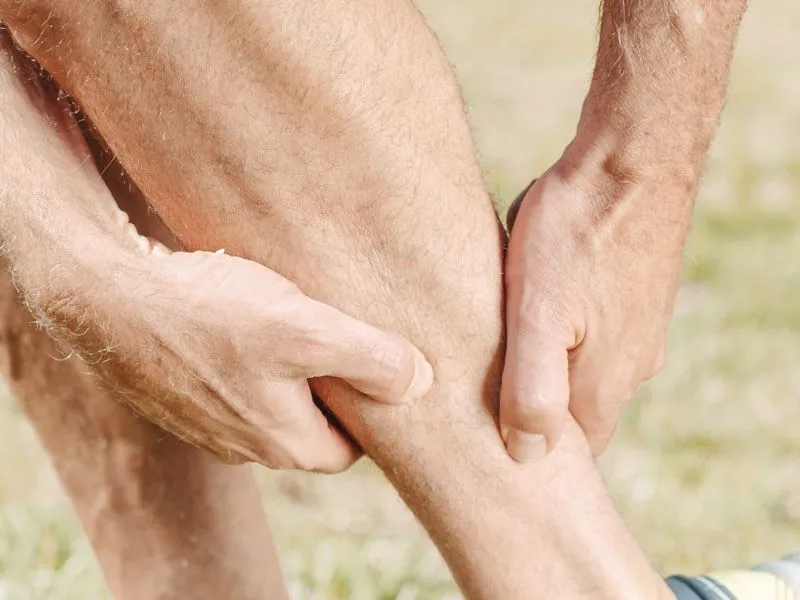
Yes, massage can help ease tight hips — the stiff, achy, restricted feeling that builds from long hours sitting or from the pounding of running. I’m Mei, an independent female massage therapist in Dubai, and releasing the hip flexors, glutes and the muscles around the hip can restore that easy, free movement and take the strain off your lower back. For muscular tightness it works well; for genuine hip-joint pain or anything radiating down the leg, medical advice comes first.
Why your hips get so tight
Tight hips are one of the most common things I’m asked about, and the two big causes pull in opposite directions. Sitting is the obvious one. A full day at a desk in DIFC or Business Bay keeps your hip flexors — the muscles at the front of the hip — held short for hours on end, so they tighten and forget how to lengthen. Meanwhile your glutes, sat on all day, switch off and go quiet. Stiff, achy hips are the result.
Running and training cause a different kind of tightness. Repetitive, powerful movement loads the hips heavily, and without enough recovery the glutes, hip flexors and the deep muscles around the hip stay gripped and tight. Padel players and gym-goers feel it too, especially through the glutes and the outside of the hip.
Either way, tight hips rarely keep to themselves. When the hips don’t move freely, the lower back tends to take up the slack, which is why so many people with a stiff lower back actually have tight hips underneath it all. Free the hips and the back often thanks you.
How massage releases tight hips
I treat the hip as a hub, working everything that feeds into it. That means the hip flexors at the front, the glutes, the deep muscles around the side and back of the hip, and often the lower back and the tops of the legs too, because they all share the load. Releasing the glutes in particular can transform how the whole area feels.
For stubborn, long-standing tightness from years of desk work, firm deep tissue work uses slow, specific pressure to reach the deeper muscles and let them release. For runners and active clients, a sports and recovery approach fits best — it’s built around active bodies and can be timed around your training to keep you moving well. In practice I often blend the two, reading how your muscles respond and adjusting as we go. Tell me whether sitting or running is behind your tight hips and I’ll steer the session accordingly.
Most people are surprised how much lighter and freer they feel walking out of a good hip session — and how their lower back eases as a bonus.
Self-care between sessions
Massage gives you a head start, but hips respond best when you keep them moving day to day. If you sit for a living, the single most useful habit is simply getting up regularly — even a minute or two every half hour keeps the hip flexors from locking short. Gentle movement through your full range, rather than one big stretch at night, is what keeps the results.
I usually point clients to my routine for tight hips from sitting so they’ve got a few simple resets to do at their desk or after a run. Massage plus a little daily movement will always beat massage alone — my aim is for you to need me less over time, not more, as your hips loosen and your habits improve.
Hips, lower back and the sitting trap
The thing most people miss about tight hips is how much they drag the lower back into it. When your hip flexors are short and your glutes are switched off from a day of sitting, your pelvis tips and your lower back ends up compensating for movement the hips should be doing. That’s why so many people who come to me for a “bad back” actually have tight, stiff hips underneath the whole problem.
Sitting is the modern culprit, and Dubai’s long commutes and desk-heavy jobs make it worse. Hours in a car seat followed by hours in an office chair keep the front of the hips folded shut almost all day. The muscles aren’t damaged — they’ve simply adapted to the shape you hold them in most, and they’ll adapt back with the right mix of hands-on release and regular movement.
Runners face the flip side: hips that are strong and busy but rarely taken through a full, relaxed range, so they grip and shorten in their own way. Whichever camp you’re in, the answer isn’t only stretching harder — it’s getting the tight muscles to release and the quiet ones to switch back on, which is where a good session, followed by consistent daily movement, does its best work.
I’ll often finish a hip session by checking how your lower back feels, because the two are so linked that easing one usually eases the other. If your back has been niggling alongside the tight hips, tell me when you book and I’ll give the whole lower region the attention it needs rather than treating the hips in isolation. For a lot of desk-bound clients, that combination — hips freed, glutes woken up, lower back eased — is the moment things finally start to feel normal again.
When to see a doctor or physiotherapist
I’d rather be honest than book everyone in regardless. Massage is great for muscular hip tightness, but some hip pain needs proper assessment first. Please see a doctor or physiotherapist if your hip pain is severe, followed a fall or injury, limits how far you can walk, or hasn’t eased after about two weeks.
Seek prompt medical advice if you have numbness, tingling, weakness, or pain that radiates from the hip or buttock down the leg — that can point to nerve involvement rather than simple muscle tightness, and I’ve written separately about massage for sciatica if that sounds familiar. Deep pain within the joint itself, or a hip that catches or gives way, also needs a diagnosis. Massage supports medical care and works well alongside physiotherapy — it doesn’t replace it.
Booking a hip massage in Dubai
If your tight hips are the everyday sitting-or-running kind, I’d be glad to help you loosen them. I come to your home, hotel or serviced apartment anywhere in Dubai, or you can visit my studio. Home visits are AED 400 per hour and the studio is AED 300 per hour, with 60, 90 or 120-minute sessions at the same hourly rate — no deposit, cash on the day (bank transfer on request). It’s all set out on my pricing page.
To book, message me on WhatsApp with your area and a time that suits you, and tell me whether it’s the desk or the running behind it — I’ll plan the session around your hips, glutes and lower back.
Tight hips creep up on you and quietly stiffen everything from your stride to your sleep, and they don’t have to be your normal. When you’re ready to move freely again, send me a WhatsApp message and we’ll find a time that works.
Frequently asked questions
Can massage help tight hips in Dubai?
Yes — most tight hips come from long hours sitting or from running, and massage of the hip flexors, glutes and surrounding muscles can release that stiffness and improve how freely you move. I'm Mei, a female therapist covering all of Dubai. Home visits are AED 400 per hour, no deposit. WhatsApp me to book.
Why are my hips so tight from sitting all day?
Sitting keeps your hip flexors in a shortened position for hours, so they tighten and stop lengthening properly, while your glutes switch off from being sat on. The result is stiff, achy hips. Massage releases those muscles, and regular movement stops it returning. Message me and I'll work the whole area.
How much does a hip and glute massage cost in Dubai?
AED 400 per hour for a home visit anywhere in Dubai, or AED 300 per hour at my studio, with 60, 90 or 120-minute sessions at the same hourly rate. There's no deposit and you pay cash on the day. Sixty minutes covers the hips and glutes; ninety adds the lower back and legs.
Is deep tissue or sports massage better for tight hips?
Both work well and I often blend them. Deep tissue suits stubborn, chronic tightness from years of desk work, while sports and recovery suits runners and active people timing it around training. Tell me whether it's sitting or running behind your tight hips and I'll tailor the pressure and approach.
When should I see a doctor about hip pain?
See a doctor or physiotherapist if hip pain is severe, followed a fall or injury, limits your walking, or comes with numbness, tingling or pain radiating down the leg. Persistent pain beyond two weeks also needs assessment. Massage helps muscular tightness — it supports medical care rather than replacing it.