By Mei Han, massage therapist in Dubai Updated 11 August 2026
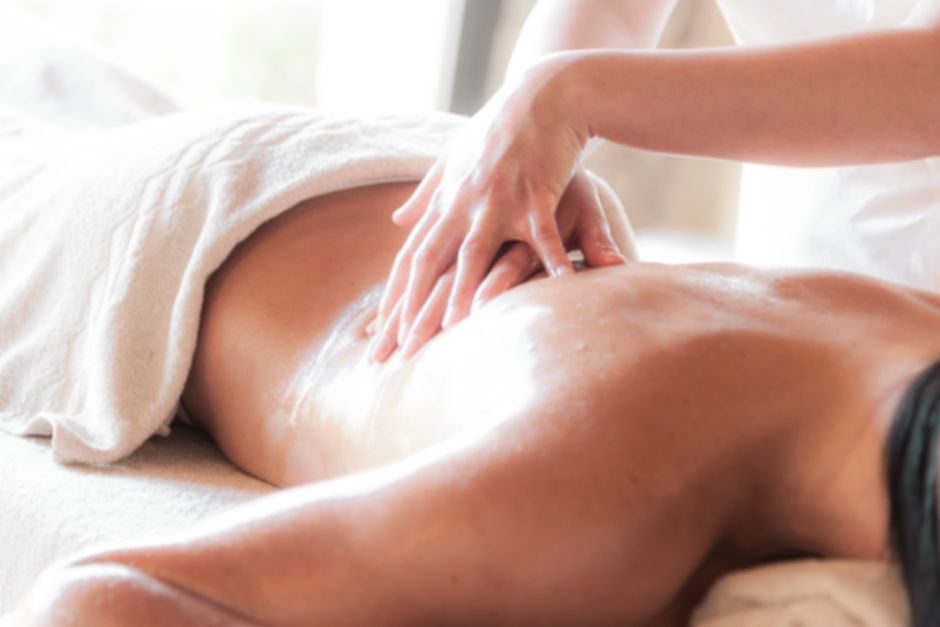
Body massage in Dubai usually means a whole-body treatment, but that phrase is too vague to be useful on its own. I explain which areas we cover, in what order, how much time each receives, and when focused work makes more sense.
What people mean by ‘body massage’ — and what I actually do
A body massage is a structured treatment for the main muscle groups, not a random sequence of strokes. I work as a female therapist for women and men, with a strictly professional approach, proper draping, clear communication and appointments only.
The general definition of massage covers wider terminology. In practical terms, people searching for body massage near me usually want:
- Balanced work covering the back, legs, arms, shoulders, neck and feet.
- Relief from general tightness after work, travel, training or poor sleep.
- A calm, private session without complicated treatment language.
My services include deep tissue, Swedish & relaxation, sports & recovery, prenatal & postnatal, lymphatic drainage and aromatherapy. The right choice depends on your body, reason for booking and available time.
Deep tissue uses firmer, slower work for persistent tightness. Swedish & relaxation is lighter and flowing. Sports & recovery is arranged around training, mobility and tired muscles. Prenatal & postnatal sessions need careful positioning. Lymphatic drainage is gentle and specific; it does not detox the body or cause weight loss. Aromatherapy uses selected oils, with allergies and sensitivities discussed first.
A body massage should not be something you simply tolerate. I ask what feels useful, what feels too much and what should be avoided. You remain covered except for the area being treated, and you can pause or change the plan at any point.
What a full-body session covers, in order
A typical full-body session begins with the back and posterior legs, then moves to the front of the legs, arms, shoulders, neck and feet, with respectful and proper draping throughout.
I normally begin with a short consultation, followed by the back. In a 90-minute session, this may take around 20 minutes, including broad warming strokes and focused work around the upper back, shoulder blades and lower back. Pressure is adjusted rather than automatically made intense.
The back of the legs usually takes 10 to 15 minutes, depending on tension. This includes the calves, hamstrings and gluteal area through suitable draping and positioning. I check that both pressure and position remain comfortable.
After turning over, the front of the legs generally receives around 10 minutes. This may include the feet and ankles, depending on your preference and available time. A runner, office worker and traveller may need different emphasis.
The arms and hands usually take another 10 minutes. I include the forearms, wrists, palms and upper arms, especially when repetitive work, driving or phone use has caused tightness. Some clients prefer more time here; others choose the back and shoulders.
I normally allow around 15 minutes for the shoulders, neck and upper back. The neck is treated carefully and never forced. Slow work, supported movement and gradual pressure can ease stiffness, but massage is not a replacement for medical assessment.
Remaining time is used for transitions, reassessment and priority areas. A 60-minute treatment may cover the same broad map with less time per region. A 120-minute treatment allows a slower pace, more detailed work and attention to several priority areas.
My full-body massage in Dubai page focuses on what is included, while this explanation describes what “body massage” means and how the appointment is paced. For a gentler style, read about Swedish and relaxation massage.
60, 90 or 120 minutes: what actually changes
The main difference between 60, 90 and 120 minutes is how much depth, transition time and individual attention the session can contain. A 60-minute full-body treatment is possible, but each area receives brief coverage; 90 minutes is usually more comfortable.
For 60 minutes, I keep the plan efficient. You receive a complete sweep of the main areas, but there is little time for detailed work on the shoulders, lower back, legs and arms together. Firm pressure everywhere will usually be broad rather than detailed.
For 90 minutes, the treatment becomes more balanced. There is time to warm the tissues, complete the sequence without rushing, return to one or two tighter areas and finish calmly. This is usually the sensible starting point for a genuine full-body massage.
For 120 minutes, there is more space. We can spend longer on the back and legs, include arms and feet without compressing the rest of the session, and revisit areas that respond slowly. It can suit someone who has travelled, trained hard or wants unhurried relaxation.
| Duration | What it realistically allows |
|---|---|
| 60 minutes | Full-body overview, lighter coverage per area |
| 90 minutes | More even work and time for priority areas |
| 120 minutes | Slower pace, greater detail and several focus areas |
The right duration depends on your objective. If you only have shoulder tension, 60 minutes focused on the upper back, shoulders, arms and neck may be more useful than dividing the whole body. My guide to how long a massage should be explains this choice further.
Pressure is not the same as effectiveness. Very strong work can leave you feeling battered, so I build pressure gradually and watch how your body responds. Mild tiredness or tenderness can happen afterwards, but severe or unusual symptoms should not be ignored.
If you prefer a slower, calmer appointment, aromatherapy massage in Dubai may suit you better. I will help choose the treatment and duration before we begin.

When a full-body session is the wrong choice
A full-body session is not always the most useful option: when one area clearly causes the problem, focused work can give it more time and attention. If discomfort is persistent, severe, or accompanied by numbness or radiating pain, see your doctor or a physiotherapist before booking massage.
For desk-related shoulder and upper-back tension, we can prioritise the upper back, shoulders, neck, arms and chest-side muscles where appropriate. Heavy legs after training may suit sports & recovery better than dividing an hour across every region.
A focused treatment may be preferable when you have:
- One clearly tight area affecting movement.
- A recent increase in training or physical work.
- Limited time and a specific goal.
- General discomfort without needing whole-body work.
- A preference for deeper, slower attention in fewer areas.
Massage can ease muscular tension, support relaxation and improve your sense of movement, but it cannot diagnose pain. Persistent or severe back pain, especially with worrying symptoms, should be assessed; see the NHS guidance on back pain. For radiating pain or numbness resembling sciatica, review the NHS guidance on sciatica.
I may adapt or postpone a session if you feel unwell, have an unexplained acute injury or need medical clearance. Prenatal and postnatal massage needs its own plan, and lymphatic drainage should be chosen for an appropriate reason, not detoxification or slimming promises.
If unsure whether you need body massage, focused work or lighter relaxation, message me on WhatsApp with your preferred area, available time and whether you want home visit or studio treatment. I can suggest a realistic plan.
Prices, areas and booking
My price is AED 400 per hour for a home visit and AED 300 per hour at the studio. The same hourly rate applies to 60, 90 and 120 minutes; there is no deposit, payment is mainly in cash, and bank transfer is available on request.
| Session | Home visit | Studio |
|---|---|---|
| 60 minutes | AED 400 | AED 300 |
| 90 minutes | AED 600 | AED 450 |
| 120 minutes | AED 800 | AED 600 |
I provide home visits across Dubai by appointment, with the exact area confirmed before booking. Studio appointments are also by appointment. I work with women and men, maintaining strictly professional communication, proper draping and a clear treatment plan.
There are no deposits or invented packages and membership prices. Tell me whether you want deep tissue, Swedish & relaxation, sports & recovery, prenatal & postnatal, lymphatic drainage or aromatherapy, together with your preferred duration and location.
For current rates, see the massage prices in Dubai. If you have one problem area, mention it when contacting me; I would rather recommend focused work than pretend a rushed full-body treatment will solve everything.
To check availability and treatment style, message me on WhatsApp. Include your preferred day, duration, Dubai neighbourhood and important health information before we confirm the appointment.
Frequently asked questions
How much is a body massage in Dubai?
A home visit costs AED 400 per hour, while a studio session costs AED 300 per hour. The same hourly rate applies to 60, 90 and 120 minutes, calculated proportionally. There is no deposit. Payment is mainly in cash, with bank transfer available on request.
What does a full-body massage include?
A typical session covers the back, back of the legs, front of the legs, feet, arms, hands, shoulders, neck and upper back. The order and timing can change according to your needs. Proper draping is used throughout, and only the area being treated is uncovered.
Is body massage near me available across Dubai?
Home visits are available across Dubai by appointment, with the exact neighbourhood confirmed before booking. Studio appointments are also available by appointment. Send your area, preferred duration and treatment style on WhatsApp so I can confirm availability and suggest the most practical option.
Is 60 minutes enough for a full-body massage?
Sixty minutes can cover the main areas, but each part receives limited time. If you want a genuinely unhurried full-body treatment, 90 minutes is usually more suitable. If you have one specific problem area, a focused 60-minute session may be more useful than a brief treatment across the whole body.
Can massage help with back or leg pain?
Massage can help ease muscular tension and support relaxation, but it is not a diagnosis or replacement for medical care. Persistent or severe pain, numbness or radiating symptoms should be assessed by your doctor or a physiotherapist before booking.