By Mei Han, massage therapist in Dubai Updated 18 July 2026
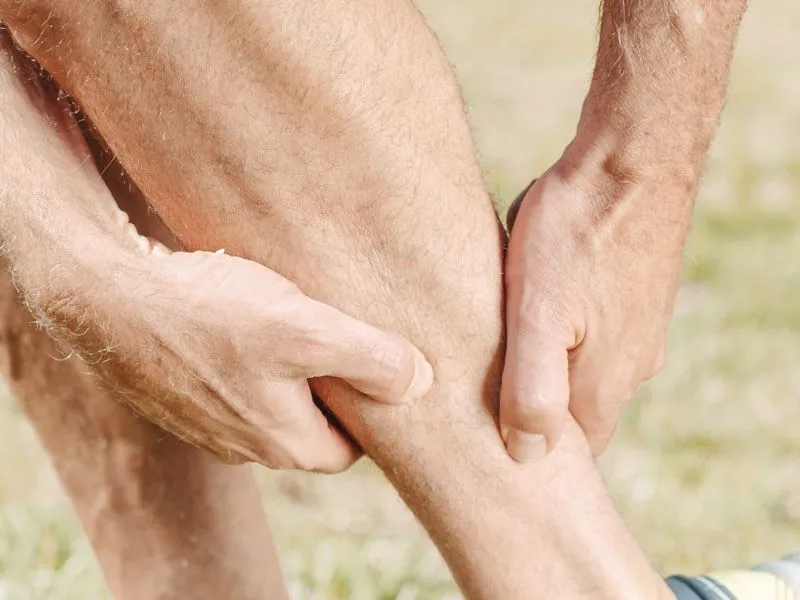
Yes, a massage after a gym workout can genuinely help you recover. Once you’ve finished training, focused work on the muscles you’ve just loaded eases next-day soreness, takes the edge off stiffness and helps you feel looser going into your next session. I’m Mei, an independent female massage therapist in Dubai, and a good slice of my week is people who train hard and treat recovery as an afterthought.
What actually happens to your muscles after a hard session
When you lift, sprint or push through a demanding workout, you create small amounts of stress and micro-damage in the muscle fibres. That’s completely normal — it’s the trigger for your muscles to adapt and come back stronger. The soreness that turns up the next morning has a name: delayed onset muscle soreness, or DOMS. It tends to peak somewhere between 24 and 72 hours after training, especially when you’ve tried a new movement, added weight, or done a lot of slow lowering work.
I’ll be honest with you, because the gym is full of myths. A massage doesn’t flush lactic acid out of your legs — your body clears that on its own within about an hour of finishing. What a good recovery massage can do is ease the ache, reduce that tight, seized-up feeling, and help you move more comfortably while your body gets on with repairing. Think of it as support for the process, not a way to skip it.
When to book your post-workout massage
Timing depends on what you want from the session. For general recovery and unwinding, almost anything works — even a gentle massage the same evening after training can feel wonderful and help you sleep. If you want firmer, deeper work on a muscle group you’ve really hammered, I’d usually suggest waiting 24 to 48 hours, once the sharpest soreness has settled. That’s when deeper pressure tends to feel productive rather than raw.
If you’re building towards something — a race, a padel tournament, a heavy testing week — the simple rule is to keep it lighter in the day or two directly before, and save the deeper work for afterwards. Aggressive deep work right before you compete can leave your legs feeling a bit flat. I’ll always ask what your week looks like and plan the pressure around it.
What a recovery session with me looks like
For most gym-goers I lead with a sports and recovery focus, and I’ll often blend in some deep tissue work on whatever you’ve trained hardest — legs and glutes after a squat day, upper back, shoulders and forearms after pressing and pulling, lower back when your deadlifts have been heavy. I read the tissue as I go and match the pressure to how sore you actually are that day, rather than going in hard for its own sake. If you’d like the full picture of who it suits, my sports and recovery massage page runs through it.
I’m a home-visit therapist, so I come to you with my massage blanket, clean towels and oils. That’s part of the recovery in itself: you train, you get worked on at home, then you shower and rest without a drive across town afterwards. Everything is strictly professional, with proper draping throughout, and I work with both women and men, by appointment.
Getting the most from your session
A few small things make a real difference. Have a light snack rather than getting a massage on a completely empty or very full stomach. Drink water across the day. Tell me your training split and where you feel it most, so I spend the time where it counts. And don’t book your very deepest session on top of a maximum-effort day — give the worst of the soreness a day to settle first.
Recovery is a habit, not a one-off
One massage after a brutal leg day will help you that week. But if you train seriously several times a week, the muscles that stay tight — hip flexors from sitting all day and then squatting, calves from running, a cranky shoulder from the bench — build up over a training block. That’s the tension that quietly limits your range and nags for months.
How often is worth it depends entirely on your training load, your age and how your body responds. Someone in a heavy build phase might value a session every couple of weeks; someone training lighter might come monthly, or only when a specific area flares up. My guide on how often you should get a massage helps you think it through. Alongside the massage, the boring basics still do the heavy lifting: sleep, enough protein and water, and not adding load faster than your body can handle. Massage supports all of that — it doesn’t replace it.
One thing worth stating plainly: ordinary training soreness fades over a few days. Sharp, sudden pain during a lift, pain that shoots or radiates down a limb, pins and needles, numbness, or a joint that swells and won’t settle is not something to massage through — see your doctor or a physiotherapist first. If you’re carrying an ache that has lingered for weeks or keeps returning, my guide on sore, aching muscles covers when it’s simple tightness and when it’s worth getting checked.
Which muscles to prioritise by training day
The most useful hour is the one spent where you actually train. If you run a split, I’ll focus accordingly: after a leg day I go for the quads, glutes, hamstrings, calves and the hip flexors that tighten from sitting and then squatting. After a push day, it’s the chest, front shoulders, triceps and the upper back that balances all that pressing. Pull days bring the lats, rhomboids, biceps and forearms into play, and if you train full-body or do a lot of conditioning, we cover the lot, grip included. Tell me your week and I’ll build the session around the muscles carrying the most fatigue.
After your massage
Drink a good glass of water and take it easy for the rest of the day. If we’ve done deeper work, it’s normal to feel a little tender for a day, much like the pleasant ache after a good session, and that settles quickly. Keep moving gently rather than collapsing completely, and don’t line up a maximum-effort personal best for the very next morning. Give your body a day to enjoy feeling looser before you load it hard again.
Book a recovery massage after your next session
If you train in Dubai and you’re tired of dragging around on sore, stiff legs, a recovery massage is one of the easier wins to add to your routine. A home visit is AED 400 per hour and a studio session is AED 300 per hour, with 60, 90 or 120-minute options at the same hourly rate — no deposit, cash on the day, bank transfer on request if you prefer. You’ll find the full breakdown on my pricing page.
I cover Dubai Marina, JBR, Downtown, Business Bay, JLT, Palm Jumeirah and right across the city, plus hotels and serviced apartments, daily from 10am to 11pm by appointment — often same day. Message me on WhatsApp, tell me how you’ve been training and where you’re sore, and I’ll line up the soonest slot that works for you.
Frequently asked questions
Is it good to get a massage after a gym workout?
Yes. A massage after training can ease next-day soreness (DOMS), reduce stiffness and help tight muscles feel looser, so you're more comfortable for your next session. It won't rebuild muscle for you, but it supports how you recover and feel. I focus on the areas you've trained hardest. Message me on WhatsApp to book.
How long after a workout should I get a massage?
For general recovery, almost any time works, even a gentle session the same evening. If you want deeper work on a muscle group you've hammered, 24 to 48 hours later is often more comfortable, once the sharpest soreness has settled. Around a big event, I'll keep it lighter beforehand and save the firmer work for after.
How much does a post-workout massage cost in Dubai?
A home visit is AED 400 per hour and a studio session is AED 300 per hour, with 60, 90 or 120-minute options at the same hourly rate. No deposit, cash on the day, bank transfer on request. See the pricing page for the full breakdown, then WhatsApp me to book a time that suits your training.
Which massage is best after lifting weights?
For most lifters I'd suggest a sports and recovery focus, often blended with some deep tissue on the heaviest-worked areas: legs after squats, back and shoulders after pressing. I'll tailor the pressure to how sore you are on the day. If you're new to massage, we can start firmer-but-comfortable and adjust as we go.
Can you come to my home or hotel in Dubai after training?
Yes. I'm a home-visit therapist and I bring my massage blanket, fresh towels and oils to you across Dubai: Marina, JBR, Downtown, Business Bay, JLT and more, plus hotels and serviced apartments. You shower and rest straight after, no drive home. Send me your area on WhatsApp and I'll confirm the soonest slot.