By Mei Han, massage therapist in Dubai Updated 18 July 2026
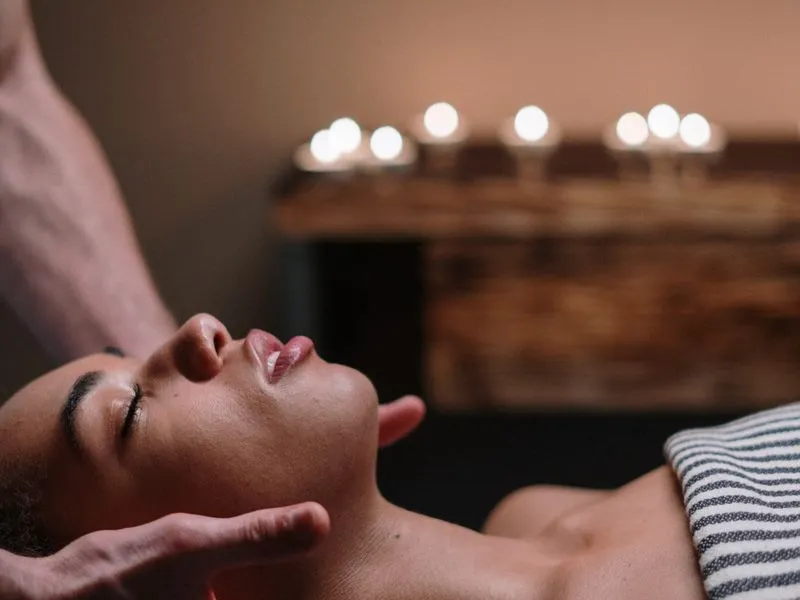
The short answer: a relaxation (Swedish) massage uses light-to-medium pressure and flowing strokes to calm your nervous system and ease general tension, while a deep tissue massage uses firmer, slower pressure to release stubborn knots and chronic tightness. Relaxation is about unwinding; deep tissue is about tackling specific problem areas. First-timers usually start with relaxation and go firmer once they know how their body responds.
I’m Mei, an independent female massage therapist in Dubai, and I offer both. This is the choice I get asked about most, so let me walk you through the difference in plain terms and help you pick with confidence.
Relaxation massage: gentle, flowing, calming
When people say “relaxation massage” they usually mean Swedish massage — the classic, whole-body treatment built around long, flowing strokes, gentle kneading and a steady, soothing rhythm. The pressure sits in the light-to-medium range, easing surface tension without digging into the deeper muscle.
Its whole purpose is to slow you down. It calms the nervous system, quiets a busy mind and leaves you warm, loose and a little sleepy. I recommend it after a stressful week, when sleep has been poor, or simply when your body wants an hour of switching off rather than fixing anything specific.
Because it’s gentle and predictable, it’s also the kindest introduction to massage. If a proper wind-down is what you’re after, my Swedish and relaxation massage page explains exactly how it works.
Deep tissue massage: firmer, focused, releasing
Deep tissue is a different job. Here I use slower strokes and sustained, firmer pressure to reach the deeper layers of muscle and fascia, holding on a tight spot until it begins to let go. It’s targeted work, aimed at the knots and chronic tension that a gentle massage would simply glide over.
It’s the treatment for the stiff neck and shoulders that come from desk work, a locked-up lower back, or that one spot between the shoulder blades that never seems to release. The pressure is firm but never brutal — good deep tissue is a productive sensation you can breathe through, and I check in constantly so we stay at a level that helps rather than hurts.
You might feel mildly tender the next day, much like after exercise. If stubborn tightness is your reason for booking, my deep tissue massage page has the detail.
The key differences
- Pressure: relaxation is light-to-medium; deep tissue is firm and sustained.
- Purpose: relaxation calms and de-stresses; deep tissue releases specific knots and chronic tension.
- Pace: relaxation flows continuously; deep tissue slows down and holds on problem areas.
- How you feel after: relaxation leaves you soft and sleepy; deep tissue leaves you looser, sometimes a little tender the next day.
- Best first choice: relaxation, for most beginners — though we can add gentle deeper work if you have a specific complaint.
How to choose — especially if it’s your first massage
Ask yourself one question: do you want to unwind, or do you want to fix something? If the honest answer is “I’m stressed, tired and want to relax”, book relaxation. If it’s “I have a specific tight area that’s been bothering me for weeks”, lean towards deep tissue.
For a first-ever massage, I usually nudge people towards relaxation. It’s gentle, there are no surprises, and it teaches you how your body likes to be worked with. You can always go firmer next time. That said, you don’t have to choose rigidly — plenty of clients enjoy a mostly relaxing session with some focused deeper work on the shoulders or lower back, and I’m happy to split the hour however suits you.
If you’d like a steer, my quick which massage quiz points you to a sensible option in under a minute. Or message me on WhatsApp with a sentence about what you’re hoping for, and I’ll recommend honestly — I’d rather you booked the right thing than the pricier thing.
Common myths about deep tissue
A few myths put people off deep tissue, so let me clear them up. The biggest is “no pain, no gain”. It simply isn’t true — deep tissue works through steady, firm pressure and your breathing, not through gritted teeth. If you’re bracing against the pressure, your muscles tense up and the work becomes less effective, not more. Firmer is not automatically better; the right pressure is the one your body can relax into.
The opposite myth is that a relaxation massage is “the soft option” that doesn’t really do anything. That’s just as wrong. Calming your nervous system has real value — it eases the low-grade tension that stress leaves in your shoulders and jaw, and many people find it helps them sleep. A gentle massage isn’t a lesser massage; it’s aimed at a different outcome. Choosing it is a sensible decision, never a compromise, and it’s often the smarter first booking.
How to tell which your body wants
If you’re still unsure, listen to how your body talks to you. A dull, general heaviness, a wired-but-tired feeling, or a simple “I just need to switch off” usually points to relaxation. A specific, naggy spot you keep pressing with your fingers, or tightness that clearly came from posture or training, points to deep tissue.
Say you’ve had a stressful fortnight and your sleep is all over the place — book relaxation and let your system settle. Say instead that one shoulder has been tight for weeks and you catch yourself rolling it constantly — that’s deep tissue’s job. And if both are true at once, which is common, we simply divide the hour, spending most of it relaxing and a focused stretch of it going deeper where you need it. There’s no wrong answer here, only the right starting point for today, and you can always adjust next time once you’ve felt how your body responds. Whichever you choose, a 90-minute session gives us time to do it properly without rushing, and most people find that extra half hour well worth it.
What to expect and when to check with a doctor
For a home visit I bring my massage blanket, fresh linens, oil and quiet music, and have your bed made up in a couple of minutes. You stay covered with proper draping throughout, everything is strictly professional and by appointment, and I see both women and men. We’ll agree your pressure before we start and adjust as we go.
One honest caveat: if you have pain that’s severe, long-lasting, or comes with numbness, tingling or pain radiating down a limb, see your doctor or a physiotherapist first. Massage can help ease tension and support how you feel, but it isn’t a replacement for medical care.
Booking your massage in Dubai
Relaxation and deep tissue cost the same with me: a home visit is AED 400 per hour and a studio session is AED 300 per hour, in 60, 90 or 120 minutes. There’s no deposit and you pay cash on the day (bank transfer on request). I’m available daily 10:00–23:00 by appointment, and same-day slots are often possible.
When you’re ready, book on WhatsApp and tell me whether you want to unwind or work on something specific. If it’s your first massage, say so — I’ll make sure the whole experience feels easy and comfortable.
Frequently asked questions
What's the difference between a relaxation and a deep tissue massage?
Pressure and purpose. A relaxation (Swedish) massage uses light-to-medium pressure and flowing strokes to calm you and ease general tension. Deep tissue uses firmer, slower pressure to work out stubborn knots and chronic tightness. Relaxation is about unwinding; deep tissue is about releasing specific problem areas. Both are AED 400/hr for a home visit in Dubai.
Which massage should I get for my first ever massage?
For a first massage I usually suggest relaxation (Swedish). The pressure is gentle and predictable, so it's a lovely, low-pressure introduction. You can always go firmer next time once you know how your body responds. Not sure? Try my which-massage quiz or message me and I'll recommend based on what you want from the hour.
Is deep tissue massage too painful for beginners?
It shouldn't be painful. Good deep tissue is a firm, productive pressure you can breathe through, not sharp pain, and I adjust constantly to your comfort. That said, beginners often prefer to start with relaxation and build up. If you have specific knots you want addressed, we can include some deeper work at a level that suits you.
Can I combine relaxation and deep tissue in one session?
Yes, and many people do. I might keep most of the session relaxing and flowing, then spend focused time going deeper on your tight shoulders or lower back. Just tell me at the start how you'd like to split the hour. Message me on WhatsApp with what's bothering you and I'll plan it with you.
How much is a relaxation or deep tissue massage in Dubai?
Both are the same price with me: AED 400 per hour for a home visit and AED 300 per hour at my studio, in 60, 90 or 120-minute sessions. There's no deposit and you pay cash on the day (bank transfer on request). I'm available daily 10:00–23:00 by appointment, often same-day.