By Mei Han, massage therapist in Dubai Updated 23 August 2026
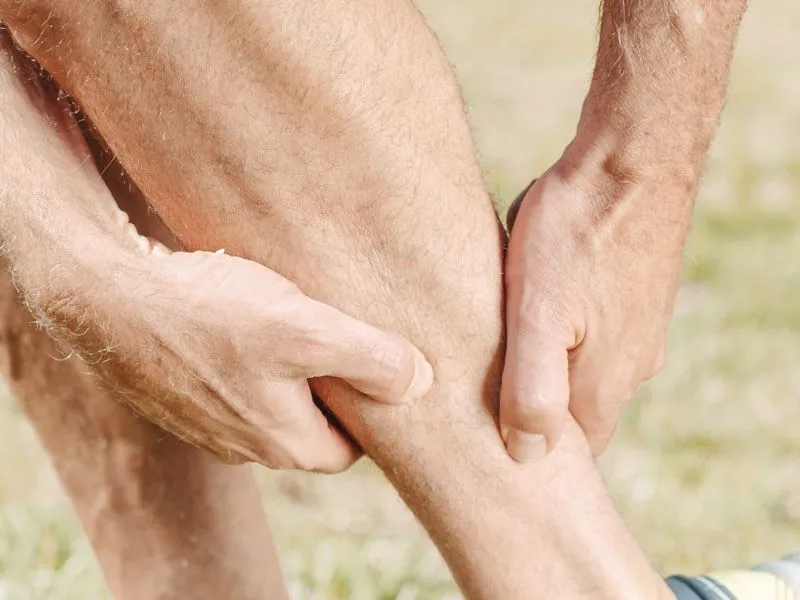
If you are deciding between massage before or after a workout in Dubai, my practical answer is simple: choose a light, brief session before training when you want to feel prepared, and choose fuller recovery-focused work afterwards or on a rest day. Massage is not a shortcut to performance, and it should sit alongside a proper warm-up, sensible training and enough recovery time.
Is massage better before or after a workout?
For most people, after training is the easier time to use a massage. Muscles have already done their work, you can tell me what feels loaded, and there is no need to rush into heavy lifting or a hard padel match immediately afterwards.
| Timing | Main goal | Pressure and pace | Best fit | What to avoid |
|---|---|---|---|---|
| Before training | Readiness and body awareness | Light, brief and familiar | A known tight area before an easier session | A long, firm treatment just before a personal best |
| After training | Comfort, mobility and downshifting | Moderate and adjusted to soreness | Recovery after a normal gym, run or padel session | Treating sudden injury pain as ordinary soreness |
| Rest day | General recovery and relaxation | Chosen around how you feel | A fuller session for several used areas | Assuming more pressure means better results |
Before a workout, I want you to leave feeling alert and able to move. After a workout, I can spend more time helping you settle, explore comfortable movement and reduce the sense of muscular tightness. The right choice still depends on the session, your habits and how your body normally responds.
Research is more modest than many social-media claims suggest. A BMJ systematic review of massage and exercise performance did not find improvements in strength, jumping, sprinting, endurance or fatigue, although it found small statistical improvements in flexibility and delayed-onset muscle soreness. I treat that as useful context, not a promise.
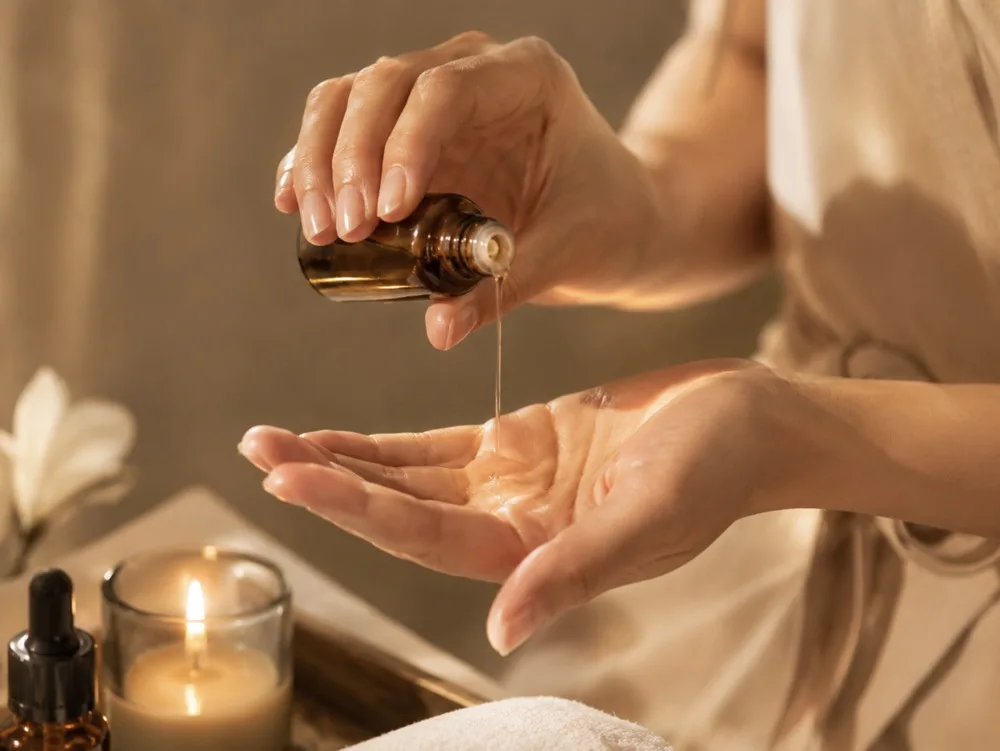
What should a pre-workout massage actually do?
A pre-workout massage should be short, light and familiar enough that you know how you respond. The aim is to help you feel less stiff, notice how an area moves and arrive at training with a calmer sense of your body—not to exhaust the muscles or leave you drowsy.
I might work gently around areas you expect to use, then leave you time to drink water, dress and travel. I would not introduce intense pressure, a new technique or a long session directly before a demanding lift, race or match. If your appointment is before training, tell me exactly when you need to start and what the session involves.
Massage does not replace warming up. You still need to raise your temperature, practise the movements you will perform, begin with manageable loads and build intensity gradually. A few minutes of easy movement and sport-specific rehearsal gives you information that hands-on work cannot provide.
I also avoid promising a particular result. You may feel looser or more aware of a restricted area, but that does not guarantee faster running, a heavier lift or protection from injury. Keep the rest of your preparation familiar, particularly before a competition or a new training block.
What changes after training?
After exercise, cool down first and let your breathing settle before your appointment. Tell me whether you lifted, ran, cycled, swam or played padel, which areas worked hardest, and whether the feeling is ordinary tiredness or something sudden and unusual.
My Sports & recovery massage is designed around training-related comfort and movement. I can adjust the pace and pressure when your legs, shoulders, hips or back feel worked, and I will keep the session strictly professional with proper draping throughout. Both women and men are welcome, and every appointment is by appointment.
If you feel generally sore, a comfortable session can be a useful part of your routine. If a particular movement produces sharp pain, or you have marked swelling, weakness, bruising or a new loss of function, pause and seek appropriate assessment rather than asking massage to explain it.
If you want to plan a session after a gym visit, send me a WhatsApp message with your training time, main areas and preferred location. I can help you choose a realistic appointment through massage after a gym workout in Dubai, which focuses specifically on post-workout planning.
How do I plan massage around Dubai training?
Build in practical time after training, especially in Dubai heat and traffic. Leave space to cool down, shower, drink water and travel; a massage straight after a humid outdoor run can feel very different from one after an air-conditioned gym session. For Dubai Sports City, I can arrange a home visit around your schedule—see the Dubai Sports City massage area page for the local details.
Sixty minutes works well when we are concentrating on one clear priority, such as calves and feet after running or shoulders after strength training. Ninety minutes allows more time for several heavily used areas. One hundred and twenty minutes can suit a slower full-body plan, but it is not automatically a better choice when you are very sore; we decide based on how you feel that day.
My prices are straightforward: a home visit is AED 400 per hour and a studio session is AED 300 per hour. The 60-, 90- and 120-minute options use the same hourly rate, there is no deposit, and payment is cash (bank transfer on request). I work daily from 10:00–23:00, by appointment, and same-day times are often possible.
The six services I offer are deep tissue, Swedish & relaxation, Sports & recovery, prenatal & postnatal, lymphatic drainage and aromatherapy. Deep tissue massage may suit ongoing muscular tension when firmer work is sensible; Swedish & relaxation may be a calmer choice on a lighter recovery day. I will not push a service simply because the pressure sounds impressive.
I am Mei Han, an independent female massage therapist. My work is strictly professional, with proper draping and clear boundaries. There is no need to perform or explain your whole training history—just share enough for me to plan safely and comfortably.
For a broader routine, the massage frequency calculator can help you think about spacing sessions around training and rest. It is a planning aid, not a medical assessment, and your sleep, workload, soreness and training changes still matter more than a fixed schedule.
When should I skip massage and seek assessment?
Skip training-focused massage and seek advice when pain is sudden, severe, worsening or unlike your usual post-exercise response. Numbness, tingling, radiating pain, significant weakness, major swelling, unusual bruising, fever, chest symptoms or difficulty breathing are reasons to contact a doctor or physiotherapist promptly.
Persistent pain, pain that changes how you walk or lift, or symptoms that keep returning also deserve proper assessment. Massage can be supportive, but it is not a replacement for diagnosis or medical care, and I will never tell you to train through warning signs.
The NCCIH guidance on massage therapy describes massage as generally low risk while noting that rare serious side effects have been reported, particularly with forceful work or in higher-risk situations. Share relevant health information before we begin, and ask your doctor first if you have a condition, recent procedure or concern that could affect massage.
If you are unsure, choose rest and ask a qualified medical professional for direction. Once you have appropriate clearance and simply want help fitting recovery around your routine, message me with your workout type, timing and location.
To arrange a Dubai appointment, WhatsApp me on +971 55 311 5578 with your training time and goal. I will suggest a sensible before-or-after plan, confirm whether home visit or studio suits you, and keep the session strictly professional, by appointment, with proper draping. Both women and men are welcome.
Frequently asked questions
Is it better to get a massage before or after a workout?
For most people, a fuller massage fits better after training or on a lighter day. Before exercise, keep the work shorter and lighter so it supports readiness without leaving you tender or sleepy. Tell me your training time and goal on WhatsApp; home visits are AED 400 per hour and studio sessions AED 300 per hour.
Can I work out straight after a deep tissue massage?
I would not plan a hard or unfamiliar workout immediately after firm deep tissue work. Your response depends on pressure, areas treated and your normal training load, so allow breathing room and choose gentle movement if you feel comfortable. New pain, major swelling, weakness or numbness needs a doctor or physiotherapist rather than training through it.
Is a pre-workout massage a replacement for warming up?
No. Massage may help you feel less stiff or more aware of a tight area, but it does not reproduce a progressive sport-specific warm-up. You still need to raise your temperature, rehearse movement and build intensity gradually before lifting, running or playing padel.
Which massage is best after gym training in Dubai?
Sports & recovery is the most direct fit when your aim is post-training comfort and mobility; Swedish & relaxation may suit a lighter recovery day, while deep tissue may suit persistent muscular tension when firm work is appropriate. Message me your session and sore areas so we can choose sensibly.
How long should a post-workout massage be?
Sixty minutes can cover a clear priority; 90 minutes gives more time for several heavily used areas; 120 minutes suits a slower full-body plan. The hourly rate stays AED 400 for a home visit or AED 300 at the studio, with no deposit. More time is not automatically better if you are very sore.