By Mei Han, massage therapist in Dubai Updated 11 August 2026
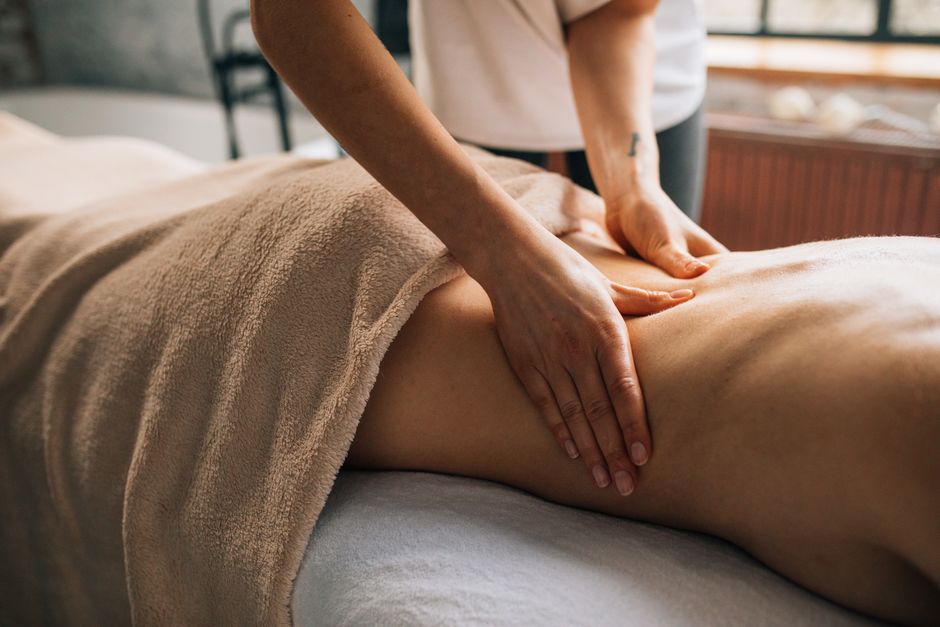
The Dubai–Sharjah commute is not simply time spent sitting. It is a sustained posture load: hips held bent, one leg working repeatedly, shoulders reaching forwards and the neck staying alert for hours. This can leave drivers with tight hips, an overworked lower back, sore shoulders and a stiff neck. I’m Mei, a female massage therapist offering strictly professional home visits and studio appointments in Dubai.
Long drives aren’t sitting — they’re a posture load
Long driving can create muscular tension because your body stays organised around the car rather than moving naturally. Massage can help ease tightness and support movement, but the useful starting point is recognising that commuting posture is a repeated physical demand, not passive rest.
On the Dubai–Sharjah corridor, many people spend two hours or more in traffic, often twice a day. The body may look still, but it is making constant small efforts: holding the pelvis in one position, stabilising the steering wheel, watching the road and using the same foot for the accelerator and brake.
Unlike desk sitting, you cannot easily stand, walk or change position. You also deal with vibration, sudden braking, lane changes and the concentration needed to stay safe. Muscles around the hips, back, shoulders and neck may remain lightly switched on throughout the journey.
The result may be stiffness when you leave the car, discomfort that builds during the day, or a lower back that improves with walking but worsens after another drive. My guide to massage for lower back pain in Dubai explains the lower-back side in more detail.
What the driving position does, link by link
The driving position commonly shortens the hip flexors, tips the pelvis forwards, pulls the shoulders ahead, loads one leg and keeps the neck slightly extended. Together, these create the familiar commuter pattern of lower-back, hip, shoulder and neck tension.
Hips, pelvis and lower back
Your hips stay flexed while driving, especially if the seat is too close, too low or reclined so that you reach forwards. The hip flexors may become accustomed to that shortened position. When you stand, the pelvis can tip forwards and the lower back may take extra work to keep you upright.
This does not mean every lower-back problem comes from tight hip flexors. But pulling at the front of the hips, stiffness after leaving the car and aching across the belt line may indicate that the driving position is contributing. You can also read about massage for tight hips in Dubai.
Shoulders, chest and upper back
The steering wheel keeps the arms in front of the body. During a long journey, the shoulders may drift forwards and the chest muscles stay shortened, while the upper back works to hold the arms and shoulder blades in place.
This can cause soreness between the shoulder blades, tension across the shoulders and a tight chest when you get out. Firmly gripping the wheel may add forearm and hand fatigue. Changing hand position occasionally, while maintaining full control, can reduce one fixed shoulder angle.
The accelerator leg
The accelerator and brake create a one-sided pattern. One leg repeatedly makes small ankle movements and remains ready to react, while the other stays comparatively quiet. The working side may feel tighter through the calf, hamstring, hip and outer thigh.
Do not stretch aggressively while driving. Safe control comes first. Move before the journey, during a proper stop or after parking.
Neck and forward focus
Your eyes must stay on the road, so your head follows your attention. If it sits slightly forwards of the shoulders, the muscles at the back of the neck work continuously to support it. Looking down at a phone while stopped can add strain.
Neck tension may spread into the shoulders, temples or upper back. My page on massage for neck pain in Dubai covers that area separately. The aim is to manage muscular tension and support comfortable movement, not promise a hidden structural explanation.
What massage can and can’t help with here
Massage can help ease muscular tightness, improve comfortable movement and support recovery after a long drive. It cannot diagnose pain or replace medical care, and persistent nerve-type symptoms need attention before booking.
For commuter-related tension, I may work with the hips, glutes, lower back, chest, shoulders, upper back, forearms and neck, depending on what you tell me and what feels appropriate. Available services include:
- Deep tissue massage for persistent muscular tightness and heavily loaded areas.
- Swedish & relaxation massage for a calmer, lighter approach after a demanding day.
- Sports & recovery massage for people combining commuting with regular training.
- Prenatal & postnatal massage, with suitable positioning and adjustments.
- Lymphatic drainage.
- Aromatherapy.
Massage may help you feel less restricted when the main issue is muscular tension from staying in one position. For a broader explanation, see this general definition of massage.
If pain is persistent, severe, worsening, or accompanied by numbness, tingling, weakness or pain travelling into an arm or leg, see a doctor or physiotherapist first. Bladder or bowel changes, loss of sensation around the groin, or sudden significant weakness require urgent medical help. The NHS guidance on back pain is a sensible reference for warning signs.
Massage is supportive care, not a substitute for assessment. I will ask where you feel the problem, how long it has been present and whether anything travels, changes with movement or affects strength. If it does not sound suitable for massage, I will tell you plainly.
Small things that help between sessions
Small changes during and immediately after the commute can reduce the total load on your body. Set the car up so your hips are not sharply folded, support the natural curve of your lower back, change hand positions safely and move briefly after parking rather than collapsing into another chair.
Before driving, check that you can reach the pedals without stretching and that your knees are not locked. A slight seat recline can be comfortable, but avoid reclining so far that you reach your head and arms forwards. Your shoulders should feel relaxed enough to steer, and your elbows should not be forced straight.
A small lumbar roll may help if the seat leaves your lower back unsupported. It should feel steady rather than bulky. If it pushes you forwards or changes your pedal position, remove it. Adjust everything while parked, then check that you still have clear control and visibility.
After parking, take 60 seconds:
- Stand tall and let your arms hang.
- Walk slowly for a few steps.
- Take two or three gentle shoulder rolls.
- Shift your weight from one foot to the other.
- Breathe normally while allowing the front of the hips to lengthen.
Do not force a deep stretch into pain or perform distracting movements while the car is moving. On a long journey, a proper safe break is more useful than exercising in the driver’s seat.
If you use the steering wheel for hours, vary your grip when traffic conditions allow. Keep both hands available and follow safe driving practice. A few small changes repeated across a week are more realistic than an ambitious routine you never use.
If you want to discuss whether your symptoms sound muscular and which approach may suit you, message me on WhatsApp. I can ask a few practical questions before arranging an appointment.
Booking around a Dubai commute
For people commuting between Dubai and Sharjah, a home visit is often the most practical option because it removes the second journey after work. I offer evening appointments by appointment, with the same hourly rate for 60, 90 or 120 minutes, and I keep the arrangement clear from the first message.
My prices are:
| Appointment | Price |
|---|---|
| Home visit | AED 400 per hour |
| Studio appointment | AED 300 per hour |
There is no deposit. Payment is in cash, with bank transfer available on request. The hourly rate stays the same for 60, 90 and 120 minutes; the longer appointment simply gives us more time to work through more than one area without rushing.
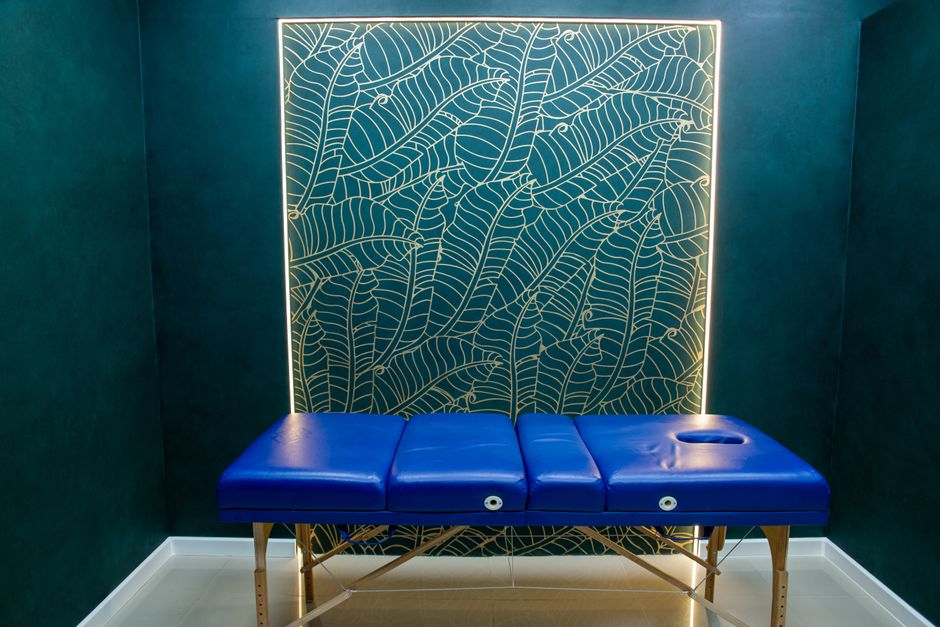
For home visits, prepare a quiet space where you can lie comfortably and proper draping can be maintained. I work as a female therapist with both male and female clients, and every appointment is strictly professional. Clear communication, proper draping and respect for boundaries are basic conditions of the service.
You can review the full details on my massage pricing page, or see availability in Al Nahda. When you contact me, tell me your location, preferred duration, main affected areas and whether you want a home visit or studio appointment.
Your commute has already taken enough of your evening. You do not need to spend another hour driving across Dubai to reach a spa before receiving practical care. For an appointment that fits around your route, message me on WhatsApp.
Frequently asked questions
What type of massage is best after a long Dubai–Sharjah commute?
I may suggest deep tissue for persistent muscular tightness, Swedish & relaxation for a gentler session, or sports & recovery if you also train regularly. I choose the approach after asking about your affected areas, movement and symptoms. Massage can help ease muscular tension and support comfortable movement, but persistent or severe pain should be assessed by a doctor or physiotherapist first.
Do you offer home massage visits across Dubai?
Yes. I offer home visits across Dubai, including private homes, hotels and serviced apartments, subject to appointment availability. Sessions are available daily from 10:00 to 23:00 by appointment. I work with both male and female clients as an independent female therapist, maintaining strict professionalism, clear boundaries and proper draping throughout every appointment.
How much does a home massage cost in Dubai?
A home visit is AED 400 per hour, while a studio appointment is AED 300 per hour. The same hourly rate applies to 60, 90 and 120 minutes. There is no deposit. Payment is in cash, with bank transfer available on request. I confirm the location, duration and appointment details clearly before booking.
Which massage services do you offer for commuters?
I offer six services: deep tissue, Swedish & relaxation, sports & recovery, prenatal & postnatal, lymphatic drainage, and aromatherapy. For commuting-related muscular tension, I may focus on areas such as the hips, lower back, shoulders, upper back, forearms or neck. I will explain which option may suit your needs before the session begins.
Can massage help with neck, hip or lower-back discomfort from driving?
Massage can help ease muscular tightness and relieve some discomfort linked to staying in one position, while supporting easier movement after driving. It cannot diagnose the cause. If symptoms are persistent, severe, worsening, or include numbness, tingling, weakness or pain travelling into an arm or leg, please see a doctor or physiotherapist before arranging an appointment.