By Mei Han, massage therapist in Dubai Updated 18 July 2026
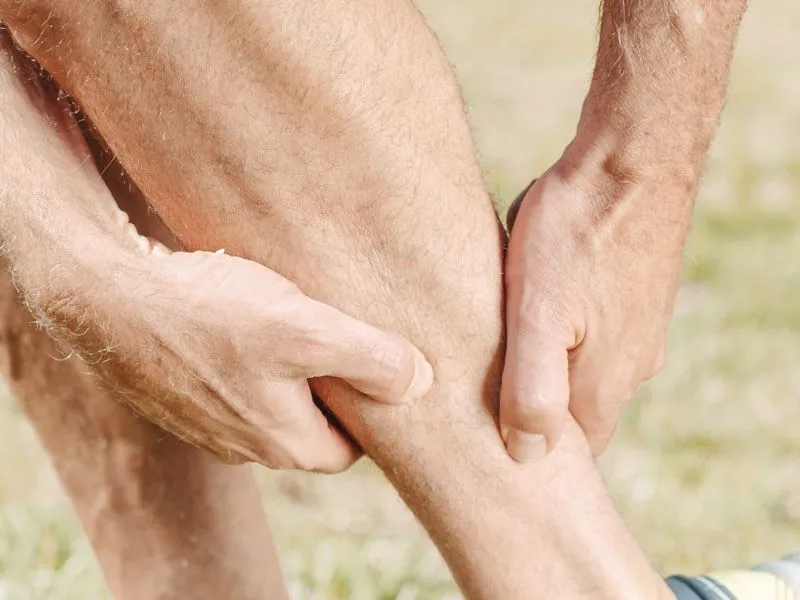
Sore a day or two after a hard session? That’s almost always DOMS — delayed onset muscle soreness — and a sports recovery massage can help ease it, calm the stiffness and get you moving more freely while you bounce back. I’m Mei, an independent female massage therapist in Dubai, and I work with plenty of runners, padel players and gym-goers who want to recover well between sessions. The trick is matching the pressure and timing to where you are in the soreness.
What post-workout soreness (DOMS) actually is
DOMS is the dull, achy, tender feeling that shows up not during your workout but the next day or the one after. It follows sessions that are harder than usual, or that involve movements your body isn’t used to — a big leg day, your first padel match in months, a long run, or lots of lowering-under-load work like slow squats and downhill running. The muscle gets tiny amounts of stress it then repairs, and that repair process is what you feel.
It typically comes on 12 to 24 hours after training, peaks somewhere around 24 to 72 hours, and settles within a few days. Stairs feel comical, sitting down is a negotiation, and the worked muscles are tender to touch but not sharply painful in one specific spot. This is a normal, healthy part of getting fitter — not a sign you’ve done damage.
The catch is that stiff, sore muscles make you move less, which can leave you feeling tighter for longer. That’s where a bit of hands-on recovery earns its place.
How a recovery massage helps — and when to time it
For training soreness I work with sports and recovery massage. It combines flushing, draining strokes that encourage circulation through tired muscle with more targeted work on the areas that took the load — quads, hamstrings, calves and glutes after legs; back, shoulders and forearms after upper-body or racket sport. The aim is to ease that heavy, stiff feeling and help you move comfortably, not to punish you.
Timing changes the experience. If you want a lighter, circulation-focused flush, the same day or the day after a session feels lovely and can take the edge off. If you’d prefer firmer, deeper work, it’s usually more comfortable once the sharpest DOMS has peaked, roughly 48 to 72 hours out, so I’m not pressing hard into a muscle that’s already at its most tender. Either way I adjust to how you feel on the day. Everything is strictly professional, with proper draping throughout, and I work with both women and men.
Tell me what you’ve trained and when, and I’ll set the pressure accordingly. If you train regularly and want a rhythm that keeps you ahead of the soreness, my guide on how often to get a massage gives sensible spacing for active people.
Normal soreness versus an injury you shouldn’t massage
Here’s the important distinction. DOMS is diffuse, achy, roughly symmetrical, and eases with gentle movement over a few days. An injury is different: a sharp, specific pain you can point to with one finger, pain that came on suddenly during a movement — often with a “pop” or tearing sensation — swelling, bruising, or a joint that feels unstable or won’t take your weight. That’s not soreness to massage through; it needs assessing.
Please see a doctor or physiotherapist rather than booking a massage if you have any of those signs, if pain is severe, or if it hasn’t settled after a week or so. The same goes for sharp nerve-type pain shooting down a limb. Massage supports normal recovery from training; it doesn’t replace proper care for a strain, tear or joint injury, and working hard into a fresh injury can set you back. Once you’ve been checked and cleared, recovery massage can absolutely have a role in getting you back to full training.
Fitting recovery around your training
Alongside massage, the basics do a lot of the work: keep moving gently on sore days rather than seizing up on the sofa, stay well hydrated — easy to neglect training in Dubai’s heat — sleep as well as you can, and don’t pile a brutal session straight on top of muscles that are still deeply sore. Build up unfamiliar movements gradually so the DOMS is manageable rather than brutal.
If you’ve overcooked a session and want to feel human again for tomorrow, message me on WhatsApp with what you trained and I’ll suggest whether a lighter flush or firmer work suits you best.
Does massage really speed up recovery?
Let me be straight with you, because there’s a lot of myth around this. Massage doesn’t “flush out lactic acid” — that idea is outdated, and lactic acid clears on its own within an hour or so of finishing, long before DOMS even turns up. What a recovery massage genuinely does is ease that stiff, tender, heavy feeling, encourage circulation through tired muscle, and help you move more freely and comfortably while your body gets on with its own repair work.
That comfort and mobility are worth a lot when you’re training regularly, because feeling looser means you actually move on your rest days rather than seizing up on the sofa, and you turn up to your next session readier and less guarded. Plenty of active clients simply tell me they feel better and more mobile afterwards, and that’s exactly what it’s there for — not a miracle, just a genuine help.
Timing it around events is worth a thought, too. In the days before a race or a big padel tournament, keep any massage on the lighter side so your legs feel fresh rather than worked over, and save the deeper work for afterwards once you’re into recovery. If you’ve got something in the diary and aren’t sure how to plan around it, mention it when you message me and I’ll steer you sensibly.
What massage won’t do is replace the basics that do the real heavy lifting: good sleep, enough food and protein to fuel repair, staying hydrated in the heat, and sensible progression so you’re not constantly wrecking yourself. Think of recovery massage as one useful tool alongside those, not a shortcut around them — used that way, it earns its place in a training week. Skip it and you’ll still recover perfectly well; you’ll just tend to feel stiffer and less mobile getting there.
Booking a recovery massage in Dubai
I come to you — home, hotel or serviced apartment — anywhere in Dubai, with my massage blanket for your own bed, so you can train, shower and recover without heading back out. A home visit is AED 400 per hour; my studio is AED 300 per hour. Sessions run 60, 90 or 120 minutes — 60 for a single sore area, 90 for full legs or a whole-body flush. There’s no deposit, payment is cash on the day (bank transfer on request), and I work daily from 10:00 to 23:00 by appointment, often same day. Everything’s set out on the pricing page.
Trained hard and paying for it now? Send me a WhatsApp and we’ll get you booked around your schedule. I bring all the kit; you just need somewhere to lie down.
Frequently asked questions
Does massage help sore muscles after a workout in Dubai?
Yes — a sports recovery massage can help ease post-workout soreness (DOMS), reduce that stiff, heavy feeling and help you move more freely while you recover. It won't erase soreness instantly, but it tends to make the day-after ache more comfortable. If pain is sharp, one-sided or came with a sudden 'pop', that's possible injury and needs checking, not massage.
How soon after training should I get a recovery massage?
For general recovery, a lighter flushing session the same day or the next day feels great. If you want firmer, deeper work, it's often more comfortable once the worst of the DOMS has peaked, around 48 to 72 hours out. Tell me on WhatsApp what you've trained and when, and I'll match the pressure and timing to it.
How much is a sports recovery massage in Dubai?
A home visit anywhere in Dubai is AED 400 per hour; my studio is AED 300 per hour. Sessions are 60, 90 or 120 minutes — 60 suits one sore area, 90 covers full legs or a whole-body flush. No deposit, cash on the day or bank transfer on request, daily 10:00 to 23:00. Message me on WhatsApp to book around your training.
Is it normal to be sore two days after exercise?
Yes. Delayed onset muscle soreness (DOMS) typically peaks 24 to 72 hours after a hard or unfamiliar session and settles within a few days. It's a dull, achy, tender feeling across the worked muscles. Sharp pain, swelling, bruising or pain in a single spot you can point to is different — that suggests injury, so hold off on massage and get it checked.
Do you do post-gym recovery massage at home in Dubai?
Yes — I bring my massage blanket to your home, hotel or serviced apartment across Dubai and work on your own bed, so you can train, shower and recover without going anywhere. It's strictly professional with proper draping, by appointment, often same day. WhatsApp me with what you've been training and I'll suggest a session length.