By Mei Han, massage therapist in Dubai Updated 18 July 2026
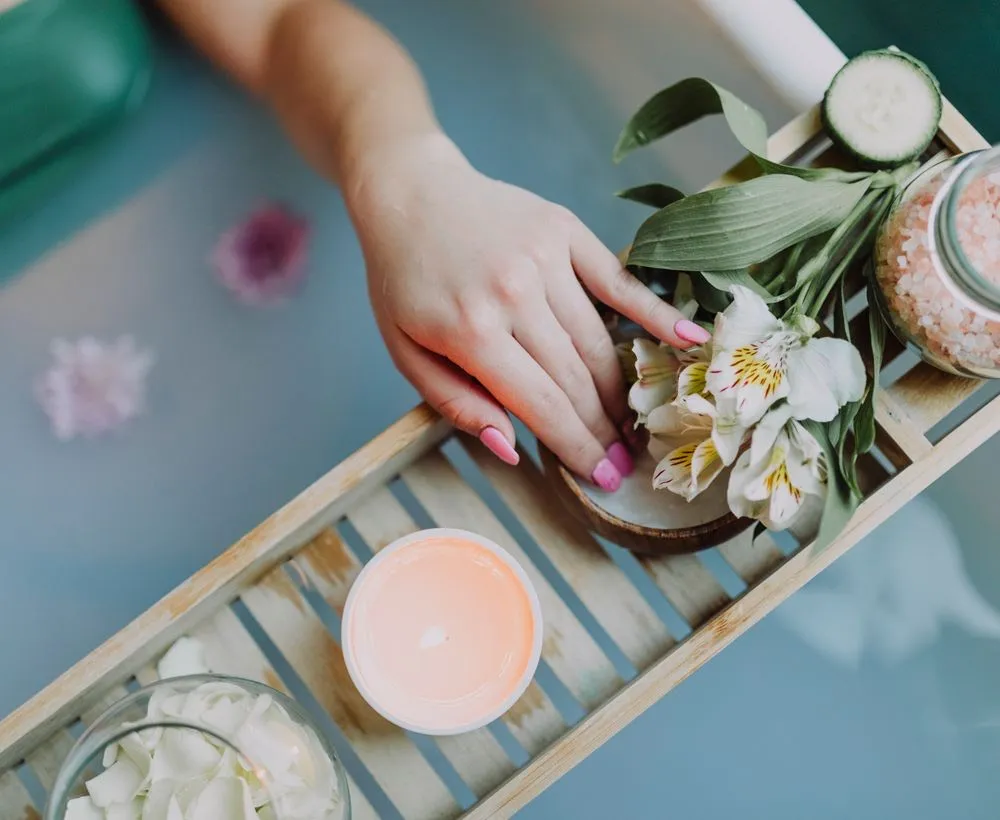
Talking during a massage is entirely your choice. Plenty of people prefer to lie quietly and drift off, and silence is completely welcome — I’ll never fill it with small talk. Others like a little conversation, and that’s fine too. The only talking that really matters is telling me about pressure, comfort or anything that doesn’t feel right, so I can adjust as we go.
Silence is completely normal — and welcome
If you’ve ever worried that lying quietly might seem rude, let me put that to rest: staying silent is one of the most normal things you can do on the bed, and it’s often the whole point. Many people arrive tired, wound-up or overstimulated, and the quiet is exactly what lets the nervous system settle. Closing your eyes and saying nothing for an hour isn’t impolite — it’s you getting precisely what you came for.
I take my cue from you. If you go quiet, I keep the room calm, my voice low or absent, and simply let you rest. I won’t interrupt a peaceful silence to chat about your weekend. A good therapist reads that signal and protects it rather than talking over it.
Some people like to chat, and that’s fine too
At the other end, some people relax more easily with a bit of light conversation, especially if they’re new to massage and feel a little unsure at first. That’s completely welcome. A few words at the start, an easy exchange here and there — if that’s what puts you at ease, we can do that. There’s no single “correct” way to be on the bed.
What often happens is that people start out chatting and then naturally drift into silence as they relax. That’s perfectly normal too. You don’t have to announce it or apologise; conversation can simply fade as you switch off, and I’ll follow your lead.
The talking that actually matters: pressure and comfort
Here’s the one kind of talking I genuinely encourage, whatever your preference otherwise: telling me about your comfort. I can read a lot from your muscles and your breathing, but I can’t feel what you feel. So the useful things to say are the practical ones —
- “A bit firmer here,” or “ease off, that’s too much.”
- “That spot’s really tender.”
- “Could you spend more time on my shoulders?”
- “I’m a little cold,” or “too warm.”
- “That doesn’t feel right.”
None of that breaks the calm. A quick word, an adjustment, and you’re straight back into the quiet. This kind of feedback is what keeps a massage both safe and genuinely effective, and it matters far more than any small talk. You never have to grit your teeth and hope — just tell me, and I’ll change it.
You don’t have to explain yourself
If you’d rather be quiet, you don’t owe anyone a reason. You don’t have to say you had a long day, or that you’re tired, or anything at all. A simple “I think I’ll just close my eyes” is more than enough, and often you won’t even need that — going quiet is signal enough. Equally, if I’ve misjudged and you’d like me to stop talking, please say so without a second thought. Your comfort sets the tone, always.
What I’ll ask, and when
So you know what to expect: I’ll usually ask a few things at the very start — how you’re feeling, any problem areas, how much pressure you like, anywhere to avoid. That short conversation helps me tailor the session and isn’t the same as chatting throughout. Once we begin, I’ll check in occasionally on pressure, particularly when I move to a new area or go a little deeper, but briefly and quietly. After that, the amount of talking is yours to set.
If it’s your very first session and you’re unsure how any of this works, my guide on what to expect at your first massage walks through the whole thing, from the questions at the start to how draping and comfort are handled.
What if I fall asleep?
It happens often, and it’s a compliment, not a problem. Dozing off means you’ve relaxed deeply, which is exactly what we’re aiming for. You won’t miss anything, and I’ll simply carry on gently and wake you softly at the end if needed. Some people are mortified by a little snore; please don’t be — it’s one of the clearest signs a massage is doing its job.
Does it depend on the type of massage?
A little. During firmer work — a deep tissue or a focused sports and recovery session — you’ll naturally speak up a bit more, because pressure feedback matters most there: a quick “firmer”, “ease off”, or “that’s the spot” keeps the work safe and effective. During a relaxation or aromatherapy session, most people go quiet quickly and stay that way, since the whole point is to switch off completely. Neither is a rule; it’s simply how the different treatments tend to feel. Whatever you’ve booked, a few practical words about comfort are always welcome and never count as interrupting.
If you’re not sure which treatment you’d like, or you just want to know what a calm home session actually feels like, ask before you decide. Message me on WhatsApp and I’ll talk you through the options — no commitment, and no pressure to chat when the day comes.
A note for first-timers and anyone nervous
If you’ve never had a professional massage, or you feel a bit shy about the whole idea, a little conversation at the start can genuinely help settle the nerves — and I’m happy to lead it. Knowing what’s coming, how the draping works and what I’ll do next often does more for relaxation in those first few minutes than silence would. Once you feel at ease, the quiet usually takes over on its own, and you can let it. There’s no wrong way to do this. There’s no version of you that’s “too talkative” or “too quiet” for me to work with, and nothing you need to rehearse beforehand.
Setting the tone that suits you
Everything about how I work is led by what makes you comfortable, because that’s what lets a treatment actually land. Quiet or chatty, eyes closed or a bit of conversation, deep focus or gentle relaxation — none of it is wrong. If you’d like to understand the different treatments and which suits a quiet unwind versus focused work, my services page lays out the six I offer, and my about page tells you a little more about how I approach the work.
Booking a massage in Dubai
I’m Mei, an independent female massage therapist working across Dubai, and I bring a calm, strictly professional treatment to you — home, hotel or serviced apartment — by appointment. On the day, you don’t have to prepare a single word of conversation. Arrive as you are, tell me about any pressure or comfort needs, and then talk as much or as little as you like.
Home visits are AED 400 per hour and my studio is AED 300 per hour, in 60, 90 or 120-minute sessions, with no deposit and cash on the day (bank transfer on request). When you’re ready, message me on WhatsApp with your area and a rough time, and I’ll help you settle into a session that’s exactly as quiet — or as chatty — as you’d like.
Frequently asked questions
Are you supposed to talk during a massage?
No — there's no expectation either way. Most people prefer to lie quietly and switch off, and silence is completely welcome. If you enjoy a little conversation, that's fine too. The only talking that genuinely matters is telling your therapist about pressure and comfort so they can adjust.
Is it rude to not talk during a massage?
Not at all. Staying quiet is one of the most normal things you can do on the bed, and a good therapist will never take it personally or try to fill the silence. Closing your eyes and drifting off is exactly what the session is for — you're not being impolite.
What should I say during a massage?
Mainly anything about comfort: if you'd like more or less pressure, if an area is tender, if you're too warm or cold, or if you'd prefer I focus somewhere. A quick 'firmer' or 'ease off there' is all it takes. Beyond that, chat as much or as little as you like.
Do I have to make conversation with my massage therapist?
Never. You're under no obligation to make small talk, and you don't have to explain why you'd rather be quiet. I take my cue from you — if you go silent, I keep things calm and let you rest. Message me on WhatsApp to book and simply relax on the day.
Can I ask my therapist to stop talking during a massage?
Absolutely, and you should never feel awkward doing so. A simple 'I think I'll just close my eyes for a bit' is plenty, and any good therapist will happily settle into quiet. Your comfort sets the tone — home visits in Dubai are AED 400 per hour, by appointment.