By Mei Han, massage therapist in Dubai Updated 11 August 2026
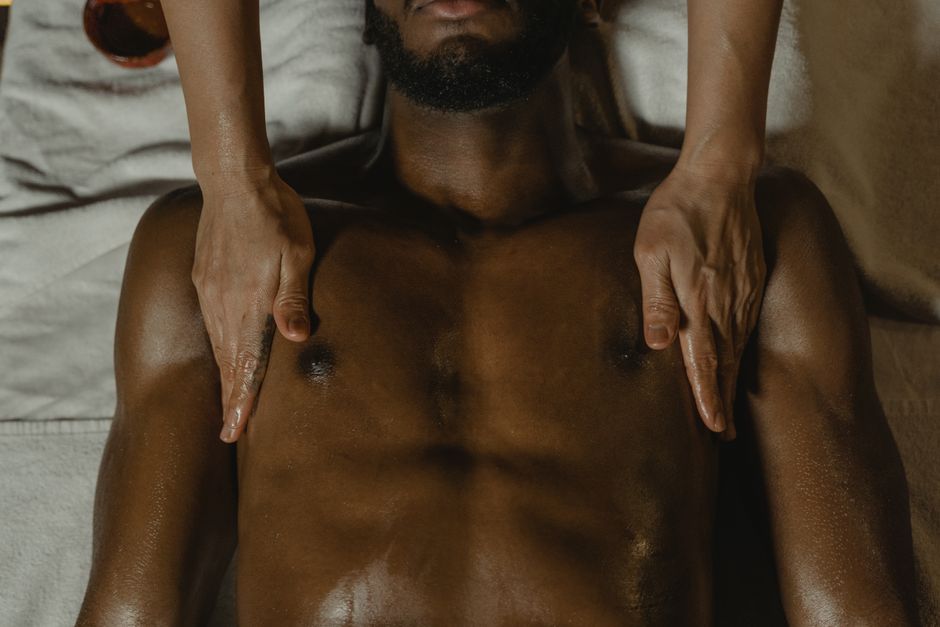
Therapeutic massage in Dubai is for a clear physical aim, not simply a relaxing spa experience. I begin by asking what feels restricted, tight or painful, which movements are affected, and what you want to improve. The session follows that goal, with pressure chosen for the tissue and purpose rather than the idea that more pain means better results.
What makes a massage ‘therapeutic’ rather than relaxing
A therapeutic massage has a practical target: easing a tight area, supporting recovery, improving comfortable movement or managing muscular tension. It is massage, not medical care, and does not diagnose or cure conditions. The difference is the reasoning behind the session: we decide what to work on and why.
A relaxing massage can help you slow down, settle your breathing and feel generally lighter. Therapeutic work may also feel calming, but the appointment is organised around a specific concern, such as:
- a stiff neck after desk work;
- tight shoulders limiting movement;
- soreness after training;
- a restricted lower back;
- heavy legs after travel or standing;
- changing muscular needs during pregnancy or after birth.
I use “therapeutic massage” in the everyday sense of purposeful, treatment-focused bodywork. You can read a broader overview of massage and its main approaches, but I am not promising a medical result. I work with muscles and soft tissue to support how your body feels and moves.
Pressure is not automatically deep. Firm work may suit one area, while slower or lighter work may be better elsewhere. If a technique causes sharp pain, strong protective tension, unusual tingling or a feeling that something is wrong, I change it or stop. “No pain, no gain” is not my treatment principle.
A useful session may leave an area feeling worked, but it should not be a test of endurance. The aim is a sensible response from your body, with clear communication throughout. I maintain a strictly professional setting, use proper draping, and work by appointment only.
How a treatment-focused session actually runs
A treatment-focused session runs from questions to a defined goal, then focused work and a brief review. Before I begin, I ask about the main issue, relevant history, daily activities, training, pregnancy or postnatal stage, and symptoms that could make massage unsuitable. I do not diagnose; I use your information to plan safely.
First, tell me what brought you in and what you would like to be different afterwards. “My right shoulder feels tight when I reach overhead” is more useful than “I need a massage”, because it gives us a movement and location to consider.
Next, we agree on a realistic goal. That might be reducing upper-back tension, supporting recovery after a demanding workout, or helping you move more comfortably for the day. One appointment may make an area feel easier, but some problems need more than one session and a broader plan.
The treatment is usually divided into regions rather than applying the same routine everywhere. I may spend longer on muscles connected to your concern, while working nearby areas that influence the region. I adjust pace, pressure and technique according to your feedback and the body’s response.
You remain in control. Tell me if you want less or more pressure, a different position, a pause or another area considered. Proper draping is used throughout, and the work remains strictly professional. I see women and men, and every visit is arranged by appointment.
At the end, we review what changed. I may ask whether the original movement feels different, whether the area is less guarded, or whether symptoms remain. I can suggest simple next steps within my scope, such as rest, gentle movement or another type of care. For the practical difference between massage and physiotherapy, see massage or physiotherapy: which do I need?.
Deep tissue vs sports recovery: which one you need
Choose deep tissue when your main concern is persistent muscular tightness or restricted everyday movement; choose sports recovery when the priority is training load, post-exercise soreness or preparation for your next session. Both are purposeful options, and the choice depends on the goal, not how strong the massage sounds.
Deep tissue massage in Dubai can suit dense muscular tension in areas such as the back, shoulders, glutes or legs. The work may be slower and more focused, with pressure adapted to the tissue. It is not a promise to reach a particular layer and should not leave you feeling battered.
Deep tissue may suit you if:
- muscles feel tight from desk work, driving or repetitive activity;
- one area repeatedly becomes restricted;
- you want focused work rather than general relaxation;
- stiffness affects movement without concerning symptoms.
Sports recovery is more specific to activity. Sports and recovery massage can support the body around training, competition or a physically demanding routine. The session may focus on tired muscle groups, areas carrying extra load, or recovery between workouts. It can suit gym training, running, cycling, swimming, racket sports and similar activities.
Sports recovery may suit you if:
- you feel soreness after exercise;
- your legs or back feel overloaded after training;
- you want recovery-focused work between demanding sessions;
- your appointment needs to reflect current activity and movement demands.
Neither option should be chosen because you believe you must tolerate maximum pressure. Sports recovery is not automatically gentle, and deep tissue is not automatically the answer to every pain. If symptoms are sharp, worsening, unexplained or associated with nerve signs, massage may not be the first step.
If you are unsure, tell me about your activity, the location, when the problem started, and what changes it. We can then choose a focused approach rather than forcing your body into a pre-set routine.
What massage can and cannot do
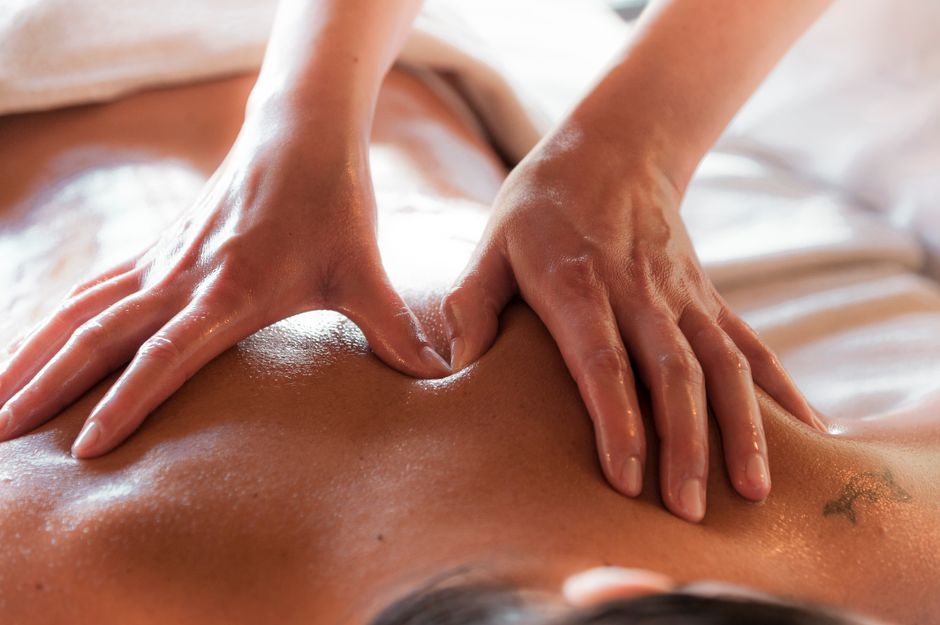
Massage can help ease muscular tension, relieve everyday stiffness, support recovery and manage some physical effects of stress or repetitive activity. It cannot diagnose an injury, cure a medical condition or replace care from a doctor or physiotherapist when symptoms need assessment.
Reasonable expectations are practical. You may notice that an area feels less tight, movement feels more comfortable, or your body settles more easily after the appointment. Results vary, and temporary improvement does not necessarily explain the cause of a problem.
Massage is not a substitute for medical assessment. If pain is persistent or severe, or comes with numbness, weakness, pins and needles, radiating pain or noticeable loss of movement, see your doctor or a physiotherapist before booking. The NHS guidance on back pain explains when self-care may be reasonable and when professional advice matters. For possible sciatic-nerve symptoms, review the NHS guidance on sciatica.
Before the session, tell me about relevant health circumstances, recent surgery, acute injury, skin problems, medication concerns, pregnancy or anything else affecting suitability. I may recommend medical advice first if massage is not the appropriate next step.
Lymphatic drainage needs especially clear expectations. It does not detox your body and is not a weight-loss treatment. It may support gentle fluid movement and comfort in suitable circumstances, but swelling with an unknown cause, sudden changes or medical concerns should be assessed by a healthcare professional.
Massage can sit alongside healthcare, exercise and sensible recovery habits. It may support comfort while you follow clinical advice, but it does not replace examination, diagnosis, rehabilitation or emergency care. The Mayo Clinic overview of massage discusses possible benefits and situations requiring caution.
If your concern is suitable for massage and you would like to explain it privately, message me on WhatsApp. Tell me whether you prefer a home visit or studio appointment and briefly describe the area.
Sessions, prices and how to book
My prices are simple: a home visit is AED 400 per hour, and a studio session is AED 300 per hour. The same hourly rate applies to 60, 90 and 120-minute appointments; there is no deposit, cash is preferred, and bank transfer is available on request.
| Service | Home visit | Studio |
|---|---|---|
| Deep tissue | AED 400 per hour | AED 300 per hour |
| Swedish & relaxation | AED 400 per hour | AED 300 per hour |
| Sports & recovery | AED 400 per hour | AED 300 per hour |
| Prenatal & postnatal | AED 400 per hour | AED 300 per hour |
| Lymphatic drainage | AED 400 per hour | AED 300 per hour |
| Aromatherapy | AED 400 per hour | AED 300 per hour |
The price is based on time, not a package or technique. A 60-minute appointment is one hour, a 90-minute appointment is one and a half hours, and a 120-minute appointment is two hours. We agree the location, duration and service beforehand.
For a home visit, share your neighbourhood in Dubai so I can confirm availability and travel details. For a studio appointment, I will provide the location and arrival information after we agree the booking. I do not take walk-ins; all sessions are by appointment.
When you message, include:
- your preferred date and time;
- home visit or studio;
- 60, 90 or 120 minutes;
- the service you are considering;
- a short description of your main goal.
If you are uncertain whether deep tissue or sports recovery fits better, say so. I would rather ask useful questions than promise the wrong session. You can review massage prices and session details, and learn how often you may want a massage once your goal is clear.
For a straightforward booking, message me on WhatsApp. I will confirm the service, duration, location and payment arrangement before we meet.
Frequently asked questions
How much is therapeutic massage in Dubai?
A home visit costs AED 400 per hour, while a studio session costs AED 300 per hour. The same hourly rate applies to 60, 90 and 120 minutes. There is no deposit. Cash is preferred, and bank transfer is available on request. The appointment is strictly professional, with proper draping and advance booking required.
Is therapeutic massage in Dubai painful?
It should not be treated as a pain test. Pressure is chosen according to your goal, the area being worked and your feedback. Deep tissue may feel firm, but sharp pain, unusual tingling or radiating symptoms are signals to reduce pressure or stop and seek appropriate advice.
Do you provide home visit massage across Dubai?
I provide home visits in Dubai, subject to appointment availability and your neighbourhood. Please send your location, preferred duration and the service you want to discuss. I also offer studio appointments at AED 300 per hour. Both women and men are welcome, and every booking remains strictly professional.
Should I choose deep tissue or sports recovery?
Choose deep tissue for focused muscular tightness and restricted everyday movement. Choose sports recovery when your main concern relates to exercise, training load or post-workout soreness. If you are unsure, tell me where the issue is, what activity you do and when the symptoms appear so we can choose sensibly.
Can massage help with back pain or sciatica?
Massage can help ease some muscular tension, but it cannot diagnose or cure back pain or sciatica. Persistent or severe pain, numbness, weakness or radiating pain should be assessed first. Please see your doctor or a physiotherapist; massage is an adjunct, not a replacement for medical care.