By Mei Han, massage therapist in Dubai Updated 19 October 2026
Short answer
Avoid massage over a hot, swollen or acutely painful joint. Ask your clinician about suitability and movement limits; between flares, a comfort-focused session may suit surrounding muscles without treating the arthritis itself.
In Dubai and want hands-on help? Message Mei on WhatsApp · female therapist, AED 400/hr at home, no deposit.
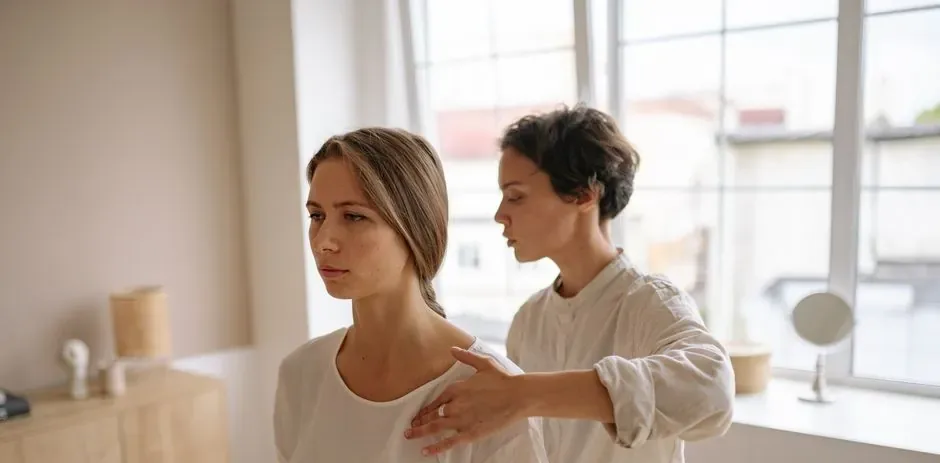
Avoid massage over a hot, swollen or acutely painful joint. Ask your clinician about suitability and movement limits; between flares, massage may support comfort in surrounding muscles without treating the arthritis itself. I’m Mei, an independent female massage therapist in Dubai, and I would plan around your affected joints and comfortable positions rather than assume stronger pressure is the answer.
Can massage help arthritis, and what can it not change?
Massage may help some people manage muscular discomfort and relax, but it does not rebuild a joint or replace arthritis treatment. Set a goal you can actually judge, such as comfortable shoulder work without moving a painful wrist. “Treat my arthritis” is too broad a promise for an ordinary massage appointment.
The Arthritis Foundation’s overview of massage describes research suggesting benefits for some symptoms, while advising people to check suitability with their clinician. It also identifies concerns around damaged joints, active inflammation and techniques that involve strong pressure or difficult positions. Study findings do not guarantee the same result for your condition or for my service.
Osteoarthritis and inflammatory conditions such as rheumatoid arthritis are not interchangeable. The diagnosis, affected joints and current activity of the condition matter more than your age. If you are unsure what is causing your pain, seek assessment rather than using a massage session to decide whether you have arthritis.
For a known condition, separate the target from the boundary. You might want comfortable work on upper-back muscles while keeping your hands supported and untouched. Or you may prefer to leave a troublesome knee completely out of the session and focus on areas that are comfortable today.
That distinction also helps with expectations afterwards. Feeling less tense can be worthwhile even when the underlying joint condition is unchanged. It is not a reason to stop medicine, abandon physiotherapy or increase activity beyond the plan agreed with your healthcare team.
Should you postpone when a joint is hot or swollen?
Do not massage an actively inflamed joint or try firm pressure to see whether it loosens. If this is a familiar flare, follow your existing care plan and ask your clinician what activity and touch are appropriate. A new or unusually painful, hot or swollen joint needs assessment rather than being labelled a routine flare.
The NHS joint-pain guidance identifies a hot, swollen joint and feeling unwell or feverish with joint pain as reasons to seek urgent advice. Sudden severe symptoms should not wait for a massage appointment. In Dubai, use an appropriate local urgent medical service rather than the UK contact routes on that information page.
| Situation | Sensible next step |
|---|---|
| A new hot, swollen or suddenly very painful joint | Seek medical assessment; leave massage out of the immediate plan |
| A familiar flare under an existing care plan | Follow that plan and check suitability before arranging touch |
| Settled symptoms with a comfortable movement range | Discuss a relaxation goal, joint support and areas to exclude |
| Pain worsens during positioning or contact | Stop that movement or contact; do not push through |
A session on another body area is not automatically appropriate simply because the painful joint is avoided. You may still feel unwell, struggle to turn or need rest. Decide whether the whole appointment would be comfortable, not just whether one patch of skin can remain covered.
Persistent or severe pain, numbness or radiating pain also warrants your doctor or a physiotherapist before massage. Having an arthritis diagnosis does not explain every new symptom. Tell me about relevant restrictions after the clinical question is settled, so the booking conversation can focus on a feasible session.
What should your joint and movement brief contain?
Describe what is affected, what contact is comfortable and which movements you need to avoid. Include getting onto the bed, turning and getting up, not only the position you eventually rest in. A useful brief translates medical restrictions into practical decisions without requiring you to send an entire clinical history.
Five headings are enough:
- Joints: name the areas affected and any you want left alone.
- Contact: explain whether light touch, a sheet or resting against a surface is uncomfortable.
- Positions: describe the way you already rest comfortably, without testing a new stretch.
- Movement: mention restrictions on turning, bending, reaching or supporting your weight.
- Care advice: share the instructions relevant to massage, including recent surgery or other precautions.
For example, “My hands are painful, but resting on my back with them supported is comfortable” is more actionable than “I need a gentle massage”. It tells us that hand work is not the goal and that the resting arrangement matters. The word gentle alone cannot describe all of those needs.
Do not assume that a massage includes moving joints through their full range. I would not force a stiff joint, manipulate it or try to overcome a movement restriction. Agree the scope before starting, and say whether you want to move yourself when changing position.
For home visits, I use a massage blanket on your own bed with fresh linens; the studio has a large bed made for clients. The appointment setup guide helps you assess that ordinary arrangement. If you require assisted transfers or specialist support, confirm an appropriate provider and assistance before arranging a visit; my usual kit is not evidence that those needs can be met.
Send your joint and movement brief on WhatsApp. Include the areas you actually want included, so the conversation is about a useful appointment rather than a long list of things to work around.
How do you choose pressure and judge the response?
Start with pressure that feels comfortable and keep the affected joints out of unwanted contact or movement. You should be able to ask for a change immediately. Neither pain during massage nor soreness afterwards is a target, and choosing a firm service name does not make pressure through a sensitive joint appropriate.
Use specific feedback: “Less pressure there”, “Please support my arm differently” or “I want that area left alone”. There is no need to decide whether the discomfort is muscular or joint-related before asking to stop. Identifying its cause can wait for the right clinician; stopping uncomfortable contact should not wait.
A pleasant sensation at one point in the session is not a reason to increase pressure everywhere. Different areas may need different treatment, and your tolerance can change as you remain in one position. Recheck the plan when turning rather than assuming the second side will feel like the first.
Afterwards, judge ordinary comfort and function. Was sitting down easier or harder? Did the resting position cause discomfort later? Were the included areas useful, or did protecting the joints make the chosen scope too awkward? These observations help you choose a future appointment without claiming that massage changed the disease.
If symptoms worsen or remain troublesome, ask your clinician for advice rather than booking progressively stronger work. Keep your existing care plan in place. Any repeat visit should earn its place through a comfortable, useful experience, not a package promise or a fixed schedule said to work for every type of arthritis.
How do you book a suitable massage in Dubai?
Choose the service after the joint and movement boundaries are clear. For general comfort, Swedish and relaxation massage is the starting point to enquire about. Deep pressure is not the default just because a condition is longstanding, and a relaxation appointment should not be presented as arthritis treatment.
You can choose 60, 90 or 120 minutes. Match the length to the areas that can be worked comfortably and the time you can spend in the agreed positions. If remaining still is difficult, more minutes may add discomfort rather than value; establish a workable scope before choosing a longer booking.
Home and hotel visits cost AED 400 per hour, and studio sessions cost AED 300 per hour. The rate is consistent across all three durations, with no deposit and cash payment or bank transfer on request. See the massage prices for the complete totals.
I welcome both women and men, daily 10:00–23:00, by appointment. Every session is strictly professional, with proper draping. A family member can help you compose the message if you want, but your preferences and consent remain central to the appointment.
Message me with your Dubai area, preferred day and practical restrictions. Once clinical suitability is established, we can check whether an ordinary comfort-focused massage fits what you need, with the affected joints respected throughout.
Frequently asked questions
Is massage suitable if I have arthritis in Dubai?
It may suit a comfort goal between flares after you check suitability and movement limits with your clinician. Avoid work over hot, swollen or acutely painful joints, and do not use massage to diagnose a new symptom. Message me on WhatsApp with the relevant restrictions and desired areas before choosing an ordinary relaxation session.
Should I have deep tissue massage during an arthritis flare?
Do not choose strong pressure to push through an active flare or work over an inflamed joint. Follow your care plan and seek advice about new or worsening symptoms. A lighter service name alone does not establish safety. WhatsApp me about rearranging the appointment once the clinical question and comfortable positioning are settled.
Can I leave painful hands or knees out of a massage?
Yes, excluded areas can remain untouched, provided the rest of the appointment is appropriate and positioning is comfortable. Explain how you rest the affected joints and any movement restrictions. Message me on WhatsApp before confirming so that the massage has a useful scope without assuming every body area must be included.
What does a gentle massage with arthritis cost in Dubai?
The standard rates are AED 400 per hour for home and hotel visits and AED 300 per hour for the studio. Choose 60, 90 or 120 minutes at the same hourly rate, with no deposit and cash payment or bank transfer on request. Clinical suitability and a comfortable scope should be established before choosing the duration.