By Mei Han, massage therapist in Dubai Updated 19 October 2026
Short answer
Remove lenses beforehand if you may doze or your eyes are uncomfortable; bring glasses and your usual lens supplies. Do not use a massage appointment to test a painful or red eye.
In Dubai and want hands-on help? Message Mei on WhatsApp · female therapist, AED 400/hr at home, no deposit.
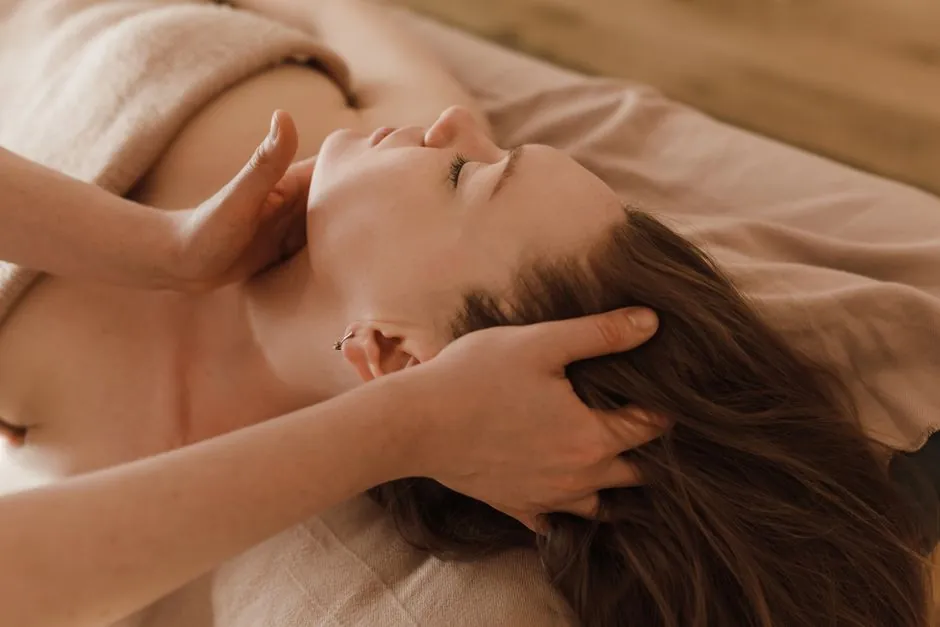
Remove contact lenses before massage if you expect to doze, your eyes feel uncomfortable or your eye-care professional has advised it. Bring glasses and your usual lens supplies so you can see comfortably afterwards. I’m Mei, an independent female massage therapist in Dubai; the useful decision is how to manage your lenses, head support and journey home before you lie down.
Should you take contact lenses out before massage?
Taking them out is the simpler choice if you want to close your eyes and may fall asleep. If you intend to remain awake and your lenses are comfortable, follow your own eye-care advice and wearing schedule. A massage booking does not extend the time you should wear your lenses or change their care instructions.
The CDC’s contact-lens guidance advises against sleeping in lenses unless your eye-care provider directs otherwise. It also recommends clean, dry hands for handling them and carrying backup glasses. Those ordinary rules still apply when the sleep happens during a relaxation appointment rather than in bed at night.
Decide before the massage starts, rather than hoping to remember when you become sleepy. Removing lenses at home is straightforward if you have glasses for the journey. For a hotel visit, put the glasses somewhere you can find again without searching across a dim room.
| Your plan or concern | Useful preparation |
|---|---|
| You expect to doze | Remove lenses beforehand and use glasses |
| You plan to stay awake with comfortable lenses | Follow your prescribed wearing advice; keep removal supplies available |
| You have no case, solution or backup glasses | Resolve that before starting; do not improvise storage |
| Your eye is painful, red or your vision has changed | Pause the booking decision and seek eye-care advice |
Daily disposable lenses and reusable lenses need different handling. Follow the instructions for your own type; do not store a lens intended to be thrown away so you can put it back after the appointment. I do not supply or choose contact-lens products, and a bottle of water is not a replacement for lens solution.
What should you bring and do before lying down?
Have what you need to remove your lenses, see without them and manage the rest of your day. Do the lens handling before massage oil reaches your hands. A small amount of preparation is more useful than repeatedly interrupting the session to find a case or search for glasses.
For a studio visit, a practical bag can contain your glasses in their case, your usual lens-care supplies and anything your optometrist has advised you to use. Bring your own products rather than borrowing something that may not suit your lenses. If you prefer to remove them before leaving home, you can arrive already wearing glasses.
Use a clear sequence:
- Finish reading the booking details and any directions while you can see comfortably.
- Wash and dry your hands, then remove or manage your lenses according to your normal instructions.
- Put your glasses on and keep their case nearby.
- Agree where the glasses will go during the massage, within easy reach afterwards.
- Tell me if you need the lighting left higher until you are settled.
You do not have to take your glasses off while we discuss the session. Keep them on to see the room, explain your preferences and decide on the areas you want included. Removing them can be the final step before getting comfortable, not something you do at the door.
The guide to what to wear for massage covers clothing and jewellery. Lens preparation is a separate task: a robe and loose clothes help you change comfortably, but they do not solve the need for clean handling or reliable vision afterwards.
How should glasses, head support and face contact work?
Agree a comfortable resting position without pressure on your eyes or glasses. Tell me if you would rather avoid face-down positioning, and check what is practical before confirming the appointment. The session can be planned around its actual goal; mentioning contact lenses does not mean you are requesting facial or eye treatment.
Glasses frames can press against the face when you lie down, so leave them in their case rather than under a pillow or on the bed beside you. If you need to put them back on to communicate or orient yourself, say so. Keeping that option easy is more useful than trying to remain still while uncomfortable.
For home visits, I use a massage blanket on your own bed, with fresh linens and the ordinary supports described in what to expect from the appointment. The studio has a large bed made for clients. I do not promise a particular eye-pressure measurement or specialist ophthalmic support from this setup.
Before contact begins, say whether you want your scalp and face left alone and whether the headrest feels comfortable. If you feel pressure around an eye, ask to stop and change the arrangement. Do not remain in that position because you assume pressure is part of a useful neck massage.
A clear request is: “I want back and shoulder relaxation, with no face contact, and I will remove my lenses first.” That gives the appointment a purpose and a boundary. If you have recently had eye surgery or have a condition with specific position restrictions, ask your eye-care team about those restrictions before booking.
Send your lens and positioning preferences on WhatsApp. You can include whether you will arrive in glasses and which areas you want massaged. There is no need to send your prescription or a photograph of your eyes to arrange ordinary practical details.
What if your eyes become uncomfortable during the session?
Stop and deal with the eye discomfort rather than trying to relax through it. Avoid rubbing your eyes with hands that have massage oil on them. Use your usual clean-hands lens routine, and contact an eye-care professional for concerning symptoms instead of asking me to identify whether a lens, product or eye condition is responsible.
A painful or red eye, light sensitivity or a change in vision should not be treated as an ordinary side effect of massage. Do not continue the session to see whether shoulder work will make the eye feel better. If symptoms are sudden or severe, seek urgent medical attention.
If you simply need a break to use your glasses or manage a lens, say so directly. The appointment is not a test of whether you can stay motionless for an hour. We can stop the massage while you attend to yourself; I do not remove lenses or put eye drops in for you.
Afterwards, think about what comes next before putting lenses back in. The CDC’s water advice for lens wearers says to remove lenses for showering or swimming and keep water away from them. If a shower is your next step, plan the lens routine around it rather than adding avoidable handling.
Before leaving the studio, make sure you can see comfortably with the correction you normally need. Keep your glasses accessible for the journey instead of packing them at the bottom of a bag. If your vision is disturbed, resolve that and obtain advice rather than driving home with uncertainty.
How do you arrange a comfortable appointment in Dubai?
Book for the massage you want, with lens handling included in the preparation. For ordinary unwinding, Swedish and relaxation massage is the relevant service to consider. Contact lenses do not create a different massage treatment, and removing them does not make stronger pressure necessary or more useful.
Choose 60, 90 or 120 minutes according to the areas and pace you want. A longer session may make dozing more likely for you, so decide about lens removal before selecting the duration. If a position becomes uncomfortable, change it or stop; paying for a longer appointment is not a reason to tolerate eye pressure.
Home and hotel visits are AED 400 per hour, while studio appointments are AED 300 per hour. The same hourly rate applies to all three durations, with no deposit and cash payment or bank transfer on request. The price list shows the full totals before you confirm.
I welcome both women and men, daily 10:00–23:00, by appointment. Massage is strictly professional, with proper draping. You can send your Dubai area, preferred day, desired service and the simple arrangements that will make the visit easier: glasses nearby, enough light while settling and no unwanted face contact.
Message me to plan your relaxation session. Sort out the lens routine first, then let the massage appointment focus on the areas you actually want to relax.
Frequently asked questions
Can I wear contact lenses during a massage in Dubai?
Follow your eye-care advice and normal wearing schedule. Removing lenses is the simpler option if you may doze or your eyes feel uncomfortable, and you should have glasses available afterwards. Message me on WhatsApp about head support and face-contact preferences before booking; eye pain, redness or vision changes need eye-care advice first.
Should I take my contact lenses out if I fall asleep during massage?
Plan removal before the appointment if you expect to fall asleep. General contact-lens guidance advises against sleeping in lenses unless your eye-care provider directs otherwise. Bring glasses and the supplies appropriate to your lenses. WhatsApp me about the massage plan so that lens handling can be settled before the session starts.
Do I need to bring contact lens solution to a studio massage?
Bring the supplies required by your own lens-care instructions if you expect to remove reusable lenses, plus backup glasses. Daily disposable lenses should be managed according to their disposal instructions. Do not use water or borrowed products as a substitute. Message me on WhatsApp if you need to discuss preparation before arriving.
How much is a relaxation massage if I wear contact lenses?
The usual rates apply: AED 400 per hour for home or hotel visits and AED 300 per hour at the studio. Sessions are 60, 90 or 120 minutes, with no deposit and cash payment or bank transfer on request. Lens care remains your normal personal routine; discuss any positioning needs before confirming.